
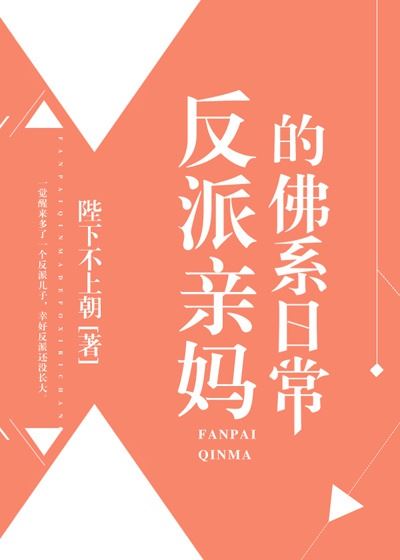
Daily Life of a Villain’s Mother
-
Author:
Bìxià Bù Shàng Cháo,陛下不上朝,
- Status: Completed
...
Show More
Comedy Fantasy Romance Acting Beautiful Female Lead Celebrities Childcare Doting Parents Easy Going Life Female Protagonist Handsome Male Lead Hard-Working Protagonist Heartwarming Love Interest Falls in Love First Modern Day Multiple Transported Individuals Past Plays a Big Role Persistent Love Interests Showbiz Single Parent
Rating(3.9 / 5.0, 77 votes)
5 stars
22(29%)
4 stars
29(38%)
3 stars
26(34%)
2 stars
0(0%)
1 stars
0(0%)
Popular Reviews
The MC's character development is a bit forced, as her godlike musical talent seems implausible given her neglected background. However, the novel uses her transmigration as a convenient explanation for this sudden talent. Additionally, the male lead's character is somewhat stereotypical, embodying the clichéd traits of a handsome, aloof CEO.
What stands out are the sweet interactions between the MC and her son, showcasing the joys of nurturing. It's a refreshing change from more complex narratives and can provide a mental break when your mind needs a rest, like during a stressful essay writing session.
In summary, "Cliche but cute" is an apt description for this book, offering a simple, feel-good experience without deep plotlines or intricate character webs. It's a perfect choice for those looking for a low-key escape.
"This particular title within its subgenre provides adequate entertainment, the child character is indeed adorable, and the protagonists are likable, but given the presence of more humorous alternatives, I've chosen to discontinue with this one."
The MC, on the other hand, comes across as disappointing. They are portrayed as selfish, particularly regarding their possessiveness over their child. The reason given for keeping the child's existence a secret from the main love interest (ML) is that the ML's fame could disrupt the child's life. However, this explanation feels inconsistent since the MC is also an actress and well-known.
In summary, the lack of depth in character development and the illogical behavior of the MC are points of dissatisfaction for the reader. Although the writing itself is understandable, the story could benefit from a more nuanced exploration of the characters' motivations and growth.
My main issue with the book lies in its one-dimensional male lead. He is an epitome of cliches, from his deep voice to his dramatic sighs, his mysterious gaze, cool demeanor, profound actions – it's like he's a complete iceberg that's suddenly melted by the female lead. This level of predictability and cliché ultimately drove me away from the story.
Note: Initially, the translator did an exceptional job up until around Chapter 20, which is appreciated.
The review primarily focuses on the story's pacing. Here's a summary of key points:
- The protagonist, He Han, unknowingly accepts Ye Fan's child as his own, creating an unexpected development.
- Characters like Aunt Chen and her daughter Xiao Tang Jin play significant roles initially, but their presence becomes less prominent later.
- There are multiple subplots, but the main storyline seems to progress slowly, causing frustration for the reader.
Many argue that the "fluffiness" (romantic or sweet moments) feels forced, with unnecessary details bogging down the journey towards the desired connection. As the reader gets tantalizingly close, they often give up, feeling unsatisfied.
While the fact that the male lead, He Han, accepts the child even before realizing it's his, is a redeeming aspect, it feels unrealistic for him to accept a child he didn't father. This plot device is common in Chinese novels, but it doesn't necessarily resonate positively every time.
Lastly, the drama element, which is typical in such genre, has become monotonous due to the numerous similar stories the reviewer has encountered.
In conclusion, the reviewer identifies "Showbiz Novel" as not their preferred type, mainly because of the slow pacing and reliance on clichéd plot devices.
The male lead was portrayed as cold, but his actions suggested he fell in love quickly without much foundation. Their interactions were limited to superficial scenes, and their conversations were sparse, almost counting on a few exchanges.
The protagonist's background was inadequately explored, making her feel disconnected and flat. As a musician with a generic skillset – often depicted as a piano and violin prodigy – her character was unconvincing, especially considering she could seemingly excel in acting immediately. It all felt clichéd and uninteresting.
From chapter 50 onwards, the story felt stagnant, with no significant progression in the plot. Skipping chapters didn't miss any crucial events, highlighting how many chapters were filler content. Ultimately, the book failed to engage me, and I've decided to drop it.
However, I must commend the translator for their efforts.
The villains in this novel are one-dimensional, with Tang Jin, who replaced the main character, being portrayed simply as a spoilt brat. However, there's no adequate exploration of her family dynamics to justify her behavior. A person's actions are influenced by both nature and nurture, yet in this story, the villains are reduced to mere manifestations of their innate nature.
As for the protagonist, her omnipresence and invincibility are overdone. Intelligence alone doesn't automatically make her a brilliant actress. The male lead, on the other hand, seems to exist more as a presence than an actual character.
In summary, the story lacks depth and complexity, with characters and plot points falling short of engaging me.
Leave a Review