
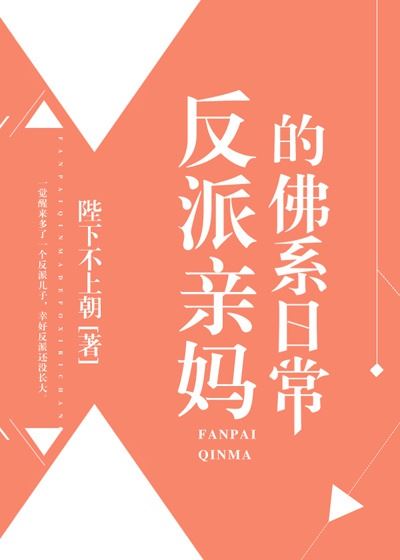
Daily Life of a Villain’s Mother
-
Author:
Bìxià Bù Shàng Cháo,陛下不上朝,
- Status: Completed
...
Show More
Comedy Fantasy Romance Acting Beautiful Female Lead Celebrities Childcare Doting Parents Easy Going Life Female Protagonist Handsome Male Lead Hard-Working Protagonist Heartwarming Love Interest Falls in Love First Modern Day Multiple Transported Individuals Past Plays a Big Role Persistent Love Interests Showbiz Single Parent
Rating(3.9 / 5.0, 77 votes)
5 stars
22(29%)
4 stars
29(38%)
3 stars
26(34%)
2 stars
0(0%)
1 stars
0(0%)
Popular Reviews
While I do enjoy clichés, this particular development is highly unrealistic. It's a bit of a spoiler, but here goes: In her past life, the FL was a musician with zero acting experience, yet she suddenly becomes an incredible actor, captivating audiences without any special effects or music, on an empty stage. None of the typical growth or development is shown; she doesn't study her lines, draw inspiration, or learn acting techniques – it's frustrating and makes me question the credibility of the narrative.
As for the ML, he comes across as somewhat creepy. He's the sole reason the FL lands these acting opportunities, which is another overused trope. He's essentially the cold, domineering CEO who's only kind to our protagonist.
If you're someone who can overlook clichés and tolerate these aspects, then good luck to you! (。^‿^。)
The plot is neatly resolved, with the villains receiving the consequences they deserve. However, the story shifts focus away from them, as it's more about the protagonists moving forward with confidence. The child in the story is portrayed authentically as a young individual, not a precocious genius, which was a pleasant surprise. Their presence adds depth to the relationship, and their character is charming without being overbearing, unlike the child in another work.
I did find their ease with fans slightly unsettling, but that could just be personal preference. Overall, the title might suggest a villainous mother, but the story itself doesn't delve too much into villainy, either from the mother or the child. Instead, it mainly explores the background of the main characters and chooses to focus on their journey, rather than dwelling on a hypothetical life without them.
Admittedly, my interest waned around Chapter 100, as the plot became predictable. Between skimming or reading spoilers, I chose the latter. Since the novel was recently translated, I couldn't delve into the ending, which was disappointing. Despite the predictability, I powered through the last 40-50 chapters quite easily.
The story isn't groundbreaking; it follows familiar tropes found in childcare novels. While the cliches might be expected, the child-centered scenes were still enjoyable, even if the outcomes were foreseeable. The main character's reluctance to seek a relationship necessitated a contrived setup for their love story, which felt somewhat forced.
The baby switch between the female lead (FL) and the main character (MC) was a hodgepodge of tropes that seemed hastily resolved. Reflecting on it now, the storyline lacked depth and originality. On a positive note, the character Dudu stood out. His authentic, childlike behavior was a delight, especially in moments like when he struggled to understand his absent father.
In summary, the novel was a smooth, predictable ride with a few heartwarming moments, but it lacked tension and emotional depth. I would rate it 3.5 out of 5. For those who prefer a more entertaining and humorous experience, I recommend "Transmigration: Raising the Child of the Male Lead Boss," which has a stronger comedic element. Although this one didn't quite hit that mark, it still provided a light-hearted read.
Ultimately, if you're looking for a feel-good story without too much drama, you might enjoy it. Just remember, it's predictable, so feel free to skip ahead or read spoilers if needed. I hope this review helps!
If the plot captivates you, it might provide a calming read, but don't anticipate any profound depth or unexpected plot twists. It's more of a surface-level entertainment.
The author seems to lack understanding of the complexities of child psychology, a common flaw in this genre. The plot is more about showcasing the主角's superficial beauty and charm than a coherent storyline. Crucial details, like how the antagonist swapped babies from wealthy families, are underdeveloped or glossed over.
One glaring issue is the repetitive description of the protagonist, which feels like a horror movie character with her pale skin, jet-black hair, and eerie vibe. As the story progresses, the author's lack of research and biased portrayal of characters become more apparent, with the protagonist effortlessly overcoming impossible odds, leaving me unimpressed and skeptical.
For instance, the protagonist confidently believes she will win a street money-making challenge despite no explanation, assuming others won't cheat. This kind of unrealistic plot contrivance ruins any tension or investment in the story.
While you might find it passable to read for mindless entertainment, don't expect anything groundbreaking. If you've watched your share of Asian dramas, you won't find many surprises here. Enjoyment is not the word; it's merely a filler until you discover a new favorite or update your reading list.
If you're looking for a similar concept done better, I suggest checking out "The CEO's Villainess Childhood Friend."
Regarding the plot, here are some criticisms:
1. The MC's decision to become an actress seems illogical. Initially, she intended to end her stand-in contract but ended up signing with an entertainment company after just one role. As a genius musician and composer from her past life, there was no clear reason for her to pursue acting, apart from financial gain. The lack of explanation for this sudden change feels like a plot hole, and the idea of her quickly becoming successful as a new actress doesn't ring true.
2. In the recent chapters, MC participated in a reality show abroad, where the editing team manipulated footage to portray her negatively. On the first day, she was made to keep the group's money, which was securely stored in a locked drawer. Despite the theft, she claims the money was lost. However, this doesn't hold up since she could have blamed the crew for the theft during the live broadcast, especially given the short timeframe and lack of fuss over the missing funds. The Convenient Disappearance of Money feels contrived and raises suspicion.
In summary, while the book had its merits, the slow pacing and some implausible plot points detract from the overall experience.
Leave a Review