
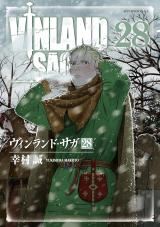
Thorfinn, the son of one of the Vikings' most renowned warriors, is among the best fighters in Askeladd's mercenary group, a remarkable achievement for someone of his age. However, Thorfinn isn't driven by the promise of plunder. His true motivation is to avenge his family’s tragedy by defeating Askeladd in a fair duel. Though not yet skilled enough to achieve this, Thorfinn remains committed to his quest for vengeance, spending his youth with the mercenaries, refining his combat skills amidst the war-loving Danes, where killing is merely another form of pleasure.
One day, when Askeladd learns that Danish prince Canute has been taken hostage, he hatches an ambitious plan that will determine the next King of England and drastically change the lives of Thorfinn, Canute, and himself. Set in 11th-century Europe, "Vinland Saga" unfolds a bloody epic in an era defined by violence, madness, and injustice, offering paradise for the battle-crazed and hell for those who endure it.
"Vinland Saga" was awarded the Grand Prize in the Manga Division at the 13th Japan Media Arts Festival in 2009. It also won the 36th Kodansha Manga Award in the General category in 2012, with mangaka Makoto Yukimura accepting the award dressed in full Viking attire. The series has been published in English by Kodansha Comics USA in 2-in-1 hardcover omnibuses since October 14, 2013. This release includes Makoto Yukimura's "Sayonara ga Chikai no de" ("For Our Farewell Is Near") spread across the first five volumes. Additionally, it has been published in French by Kurokawa since January 15, 2009; in Brazilian Portuguese by Panini Comics since February 2014; in Spanish by Planeta Cómic since October 21, 2014; and in Polish by Hanami since January 2017.
An animated crossover between "Vinland Saga" and "Ponkotsu Quest," titled "Ponkotsuland Saga," was released on October 24, 2015.
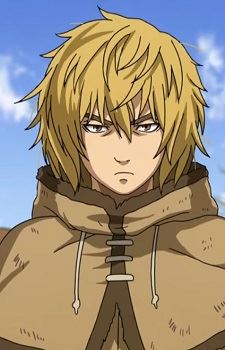
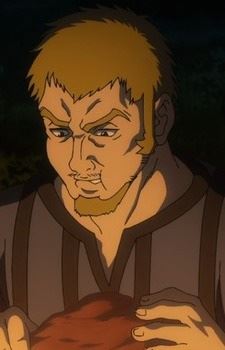
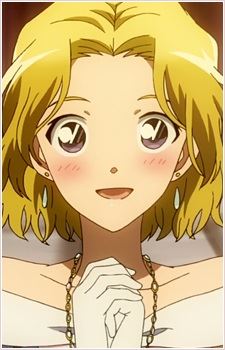





Let me begin by stating that, objectively speaking, this is indeed a very good manga. The world of Vinland Saga is impressively deep and richly layered with history. The towns, cities, farms, and camps are meticulously designed and detailed, lending the story an air of authenticity and believability. Many of the side characters in Vinland Saga seem so well-developed that they overshadow the main character to such an extent that I initially believed the story was not about Thorfinn at all, which might have been a positive aspect.
My primary issue with Vinland Saga lies in the portrayal of the main character. Thorfinn feels underdeveloped and almost forgotten by the author, making his presence feel forced and out of place during the latter half of the series. Without giving away any spoilers, Thorfinn undergoes a significant personality change after a series of events spanning several years. To put it bluntly, he completely ruins the story for me by transforming into a self-sacrificing pushover. He adopts foolish and irrational principles that lead him to endure unnecessary suffering and hardship, often becoming so unbearable that I skip multiple pages due to the overwhelming cringe-worthiness of his actions.
If you can overlook and tolerate a character who is incredibly arrogant and stubbornly persistent in his idiocy, then I would recommend this manga. Despite its flaws, the intricate world-building and compelling side characters make it worth exploring.
Vinland Saga – Spoiler Free – Highly Recommended – 28 Volumes Read – 214 Chapters Read
TLDR
Story – 9/10 – 9 x 0.275 = 2.475
Art – 10/10 – 10 x 0.2 = 2
Characters – 7/10 – 7 x 0.225 = 1.575
Enjoyment – 10/10 – 10 x 0.3 = 3
Total: 9.05 -> 9
Story – 9/10
Vinland Saga's narrative intricately weaves themes of revenge, redemption, and atonement. The timeline stretches from Thorfinn’s childhood to his mid-20s, following his journey and those around him. Many consider it Makoto Yukimura's masterpiece. The world depicted is violent and brutal, offering vivid glimpses into Viking life in the early 11th century. It also delves into the political dynamics of the era, showcasing Vikings as both military and political tools for the Court. Historical accuracy enriches the manga, with characters based on real figures from Norse Sagas, albeit with some creative liberties. Supernatural elements enhance the story’s authenticity to the original Norse tales.
The manga is a gripping read from start to finish. However, there is a significant leap of faith at the end of the Farm Arc (late 90s to early 100s), which somewhat disrupts the flow. Despite this, perseverance pays off as the story remains compelling. The prologue, akin to Berserk's Blacksword's Man and Golden Age Arcs, feels prolonged but sets a strong foundation. The overall narrative is engaging, entertaining, and well-structured, even if the initial arcs are less impressive. Fight scenes are frequent and excellently executed, though the Baltic Arc feels like filler. In contrast, the Vinland Arc stands out as a developing masterpiece.
Art – 10/10
Vinland Saga's artistry is nothing short of spectacular. The attention to detail is impeccable, each panel a visual delight. Backgrounds and landscapes are meticulously crafted, adding depth to the storytelling. Fight sequences are mesmerizing, blending seamlessly with the overall aesthetic. Character designs are distinct and memorable, while the portrayal of violence is starkly realistic.
Characters – 7/10
Character development varies; some, like Thorfinn or Hild, undergo significant transformations, yet their earlier incarnations can be grating. Thorkell lacks the complexity one might expect, coming across more as a relentless warmonger. Despite these flaws, most characters are well-developed, with standout examples like Askeladd. Their personalities are robust, and several characters serve comedic relief effectively.
The protagonist, Thorfinn, embodies the series' focus on character growth. His evolution forms the crux of the story, beginning when he finds balance between vengeance, paternal teachings, and personal goals. The prologue serves primarily to showcase this transformation.
Enjoyment – 10/10
Reading Vinland Saga is an immensely satisfying experience. Its addictive nature makes it one of the most effortless reads available, filled with captivating panels and exquisite details. The only drawback is its unfinished status, leaving readers eager for more. An absolute must-read, poised to become a timeless classic.
A gripping historical adventure manga featuring a compelling narrative, exceptional character development, and stunning artwork sets this series apart from many others.
I have only two minor concerns. At times, the pacing feels slightly off, and certain scenes could benefit from an extra page or two of 'screen time.' Additionally, I wish some of the side characters had more detailed backstories, but I understand that adding too much detail can lead to unnecessary bloat.
The art style is nothing short of exquisite, with meticulous attention to detail that results in breathtaking landscapes and awe-inspiring battles. The intense fight scenes are even more captivating thanks to this effort, drawing you in as a reader. The deep engagement makes you feel the raw emotions as if you were there, evoking visceral reactions similar to those I experienced reading Vagabond. The complex characters and thorough character development are highly effective due to the emotions stirred by both the story and the art. This combination brings the characters to life so vividly that the empathy you feel for them becomes very real.
Makoto Yukimura has poured countless hours into creating this masterpiece, and his dedication shines through every page. A blend of talent and hard work, I cannot recommend this manga highly enough! It's an absolute must-read, even if you're not typically interested in violence or history. I suggest flipping through it just to appreciate the incredible artwork.
I'll keep this review brief.
I began reading this manga because it was recommended alongside "Kingdom." For anyone considering it for the same reason, let me warn you: there's so little similarity between the two that you might end up as frustrated as I am.
This is my first manga review ever, but halfway through, the drastic shift from action/drama to something more like a Buddhist/hippy/drama compelled me to write. It annoyed me immensely.
The story starts with a young boy facing hardships who becomes tough and a warrior. As the plot unfolds, he seems to seek enlightenment based on the author's views. The narrative includes plenty of religious and anti-religious discussions.
In the end, I absolutely despise what this manga has become. Those recommending it after "Kingdom" misled me. "Kingdom" maintains its tone and character development consistently, whereas "Vinland Saga" transforms into something entirely different.
I wouldn't recommend this manga to anyone looking for a war/action/strategy companion to "Kingdom." If you enjoy emotional stories and repeatedly read Gandhi's biography, then you might appreciate this.
"Idealistic, but not realistic" is the core issue with Vinland Saga. It's an overrated manga that presents itself as a realistic and historical take on pacifism within a Norse setting, only to fail miserably.
Characters:
- Thorfinn, the protagonist, represents wasted potential. Initially driven by revenge against Askeladd for killing his father Thors, Thorfinn never questions who hired Askeladd. Consequently, he wastes a decade of his life pursuing vengeance, only to mourn Askeladd upon his death. Post-Askeladd, Thorfinn becomes enslaved and reflects on his past violence, vowing to live peacefully. While this arc sounds promising, it ultimately fails to deliver on its potential, revealing cracks in Thorfinn's character development.
- Thors, a legendary Jomsviking turned pacifist after realizing the nature of violence, instills the notion "You have no enemies" in Thorfinn. Yet, this ideology falls flat when both characters defend themselves and others, contradicting their supposed pacifism. The reality is that they possess superhuman strength, enabling their philosophy—an unrealistic expectation for regular people who may need to use self-defense.
The author overlooks Thors' and Thorfinn's exceptional abilities, failing to address how their pacifism isn't applicable to ordinary individuals. Additionally, characters like Askeladd and Thorkell, who engage in bloodshed yet lead fulfilling lives, are underexplored.
- Canute, the prince, serves as a foil to Thorfinn, aiming to create a utopia through violence versus peace. On paper, this dynamic sounds intriguing, but Canute's development feels rushed and implausible. He transforms from an incompetent teenager to a competent leader within a month, undermining the story's claim to realism.
Story:
The prologue is passable, but the Ketil Farm Arc marks the narrative's downfall. Here, Ketil, the plantation master, abuses slaves including Arneis, who suffers immensely before dying at Ketil's hands. Thorfinn intervenes when Einar attempts to avenge Arneis, preaching about the cycle of revenge and pacifism, allowing Ketil to escape justice.
The Baltic Sea War Arc improves slightly, showcasing Thorfinn's ability to avoid killing through strength and connections. However, the Vinland Expedition arc reverts to poor quality. During this expedition, Thorfinn struggles to defend his pacifist stance against Ivar, who argues for bringing weapons for protection. Despite extensive chapters dedicated to pacifism, Thorfinn lacks self-awareness and logical defense of his ideas.
Setting:
The author neglects Norse society's mechanisms for regulating violence, such as honor culture and weregild. Furthermore, he fails to explore the cultural differences between Norse and Christian civilizations, a missed opportunity given historical context. Instead, the travel to Constantinople—a pivotal moment—is glossed over, lacking depth and nuance.
Themes:
The author emphasizes self-introspection but demonstrates none in his writing. The motto "You have no enemies" is unrealistic, as Thorfinn's pacifism relies on his power. Swapping him with regular characters like Gudrid or Einar reveals the story's flaws. A horrible tale, 0/10. Consider watching Vikings, reading Norse sagas, or the New Testament instead.
Makoto Yukimura’s award-winning Vinland Saga is the manga I eagerly await every few months when a new volume drops. Why? Perhaps because it might be the best blend of historical fact and fiction I've ever encountered. After hearing endless praise from the anime community, I finally gave this manga a try a couple of weeks ago, and once I started, I couldn’t put it down. Who knew that a simple tale about Vikings, love, and revenge could evolve into one of the greatest tragic stories both within and outside the manga community? From its historic settings to masterfully developed characters and captivating plot, this manga leaves nothing out.
Most of you have likely read Berserk and loved it, considering its popularity and high ratings on MAL. Let me tell you, Vinland Saga is even more violent, touching, profound, romantic, enjoyable, and sinister. It transports us back a thousand years to the world of historic Vikings. What did Vikings do back then? They conquered and slaughtered. While not entirely realistic or historically accurate, Vinland Saga stays true to its reality-based horrors and battles; you could call it a realistic mythology.
The story follows the adventures and misadventures of young Viking Thorfinn on his path to revenge, love, betrayal, and redemption. After witnessing his father's murder as a boy, Thorfinn vows revenge against Askeladd, his father’s murderer and cunning commander. But Thorfinn’s reasons for joining Askeladd’s band aren’t solely for revenge; there are deeper meanings tied to his past in Iceland and the mythical land west of Iceland—Vinland. Amidst his quest for revenge and this mythical land, he gets caught up in the great war for the Crown of England.
What do I love about the plot? It’s mind-blowingly genius and utterly captivating, with no sugar-coating, childish crap, or nonsense. It only shows the harshness of 11th-century reality. What’s the first thing we see? People turned into slaves, mass murder, torture (more eye-gouging than any other story combined), rape, and a supposedly heroic main character who watches and laughs at the horrors unfolding before him. This portrayal is perfect, as war isn't where some hero befriends enemies through compassion and suddenly defeats them by having "the will to win." No, war is a disgusting event where everyone suffers, and Vinland Saga portrays that flawlessly. The first half truly depicts and draws readers into the horror of the Viking world. The plot is my favorite historic-drama story, on a whole new level of greatness. It educates while entertaining, blending fiction to make readers live the story. Think it's just about revenge and war? Wrong. The Vikings were merciless but still human. What does it mean to be human? To have a conscience, show compassion, love others, and be loved back? Thorfinn’s brutal journey to maintain his humanity amidst revenge and experience "love" sets the tone for this masterpiece. Beyond the story, the themes and philosophical questions keep readers thinking, adding to the fun. The psychological emotions experienced by characters translate directly to readers: This series takes psychology to a new level. This manga has made me a fanboy.
The "character" aspect is the greatest part of this story. Yukimura Makoto’s ability to weave together characters’ past and present creates a deeper understanding of their motives. We follow Thornfinn from age six to adulthood, learning about his history and the Vikings' real-life events in 11th-century Europe. All characters are multi-faceted and intriguing, especially Thornfinn and Askeladd. Everyone is developed to their maximum potential.
Askeladd’s name comes from a North European folk tale hero. Initially, we see Thorfinn’s evolution from happy child to bitter teen due to Askeladd’s actions. So, naturally, we think Askeladd is the villain. But delving into his past raises questions about evil/good and right/wrong. Askeladd’s development is one of the most memorable I’ve seen. Thornfinn isn’t much different. Is he even a hero? He’s morally ambiguous, leaving readers to decide if his actions are righteous or evil based on their beliefs. Similar to Light Yagami, absolute power corrupts absolutely. Disturbingly true. Thornfinn starts as an innocent boy, and as tragedies unfold, he becomes one of the most ruthless main characters ever—an anti-hero we root for. Fascinating indeed.
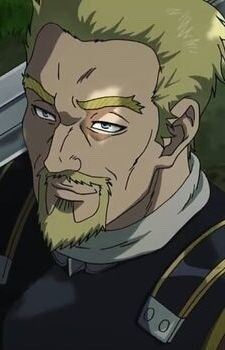
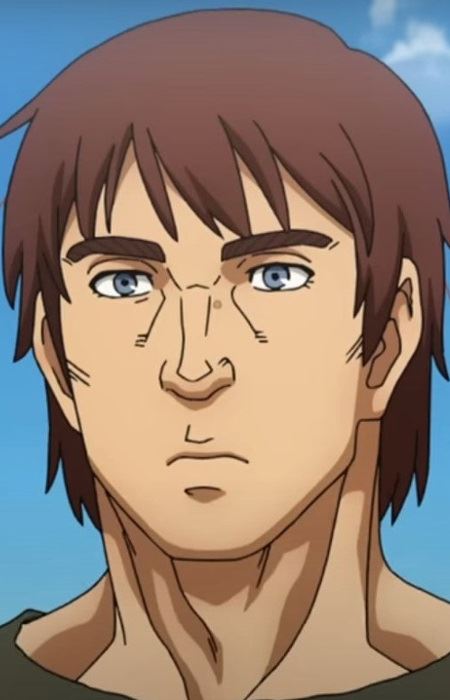
The art surpasses every other manga. I proclaim Vinland Saga as having the best art. It adds realism, with stunning detail in each Viking’s portrayal. Askeladd practically oozes nastiness with his emotionless wrinkled face and intimidating beard. Thorfinn looks like a wild beast trying to find his humanity while prioritizing revenge. The historical setting is a work of art. Every volume improves the art. Memorable vicious, gory scenes are beautifully portrayed without hiding anything—perfect.
This is the most enjoyable manga I’ve ever read. You won’t be disappointed either.
Overall: 10
Vinland Saga by Makoto Yukimura is one of my personal favorites. I believe it's vastly underappreciated, at least in the Western world. The artwork and character development are nothing short of masterful.
Story:
Vinland Saga is a historical fiction centered around Vikings, the Norman conquest of England, and the eventual journey to Vinland (North America). The narrative can be divided into three parts. Without giving away too much, the first part revolves around revenge. It features plenty of realistic and engaging combat scenes, which many readers find captivating due to its authentic portrayal of Viking warfare. The second part focuses on transformation. This segment tends to lose some readers since it diverges significantly from the first part until it transitions into the third part. However, I personally found the character evolution during this phase quite compelling. The ongoing third part is about the quest to reach Vinland. While the actual "Vinland saga" has just begun, the series isn't about achieving the end goal; it's about the journey and Thorfinn’s growth as an individual.
Characters:
Vinland Saga truly shines because of its well-developed characters. Even minor characters are fleshed out and believable. The primary focus is on Thorfinn’s evolution, but the story also delves into the complexities of ruling a kingdom, court politics, the harsh realities of war, and other intriguing themes. A quote from Vinland Saga, "The crown does queer things to the heads of the men who wear them," reminds me of Game of Thrones.
Art:
The artwork is probably the most fascinating aspect of this manga for me. Not only would I rate it a perfect 10 for its exceptional drawing quality, but it's also meticulously researched and thoughtfully executed. The weapons and costumes accurately reflect those used during the period. One of the first times I noticed the attention to detail was when I saw the cut, calloused hands of a common woman. Most manga artists wouldn't invest effort into such details, but they are crucial for evoking the era. Women who perform various household chores with primitive tools wouldn't have delicate hands. These small details genuinely immerse you in the time period.
The pacifist message at the heart of Vinland Saga is one I deeply admire, but it can be overly pervasive and in-your-face throughout the narrative, making it somewhat thematically redundant and didactic. Nonetheless, its powerful emotional impact and dramatic flair remain intact, thanks to Makoto Yukimura's exceptional storytelling skills. Yukimura masterfully employs the setting of 11th-century Europe, with its war-driven civilizations, all-encompassing conflicts, diverse cultures, and mysterious episodes, to craft a compellingly grounded tale. The relentless tide of unbridled violence and brutal injustice, portrayed with uncompromising yet never gratuitous precision and detail by Yukimura, spares no character: they either thrive in it, succumb to it, die by it, or choose to reject it to find their own truth. Their psychological developments are almost always earned through slow, organic growth, and their various stories form a beautifully diverse, sprawling web of journeys where idealized, dazzling hope finds its way through the cracks of this harrowing, brutal world, albeit needing to compromise with it. The grounded realism is occasionally compromised by some exaggerated comedic elements and over-the-top characters that often feel awkwardly out of place in an otherwise effectively authentic story.