

At the end of the 21st century, a catastrophic event devastates Japan, transforming its landscape and halting the progress of civilization. In the present day, the emperor and his four sons rule the nation with an iron grip. It is believed that only the prophesied "Child of Destiny" can liberate Japan from the royal family's oppressive rule.
Sarasa is the twin sister of Tatara, who is known as the Child of Destiny. Despite living in her brother's shadow, Sarasa supports him in every way possible. However, tragedy strikes when the Red King, the youngest son of the emperor, and his army attack her village, resulting in Tatara's brutal death. To protect her people, Sarasa assumes her brother's identity and takes on the mantle of the Child of Destiny, vowing to seek revenge against the Red King.
Struggling with the emotional and physical toll of recent events, Sarasa visits a hot spring to recover. During her stay, she encounters Shuri, a charming yet enigmatic young man. Shuri is captivated by Sarasa because she treats him differently from other girls, while Sarasa finds herself unable to stop thinking about him. This seemingly casual meeting between them seals their fates—bound together by war, hatred, and love.
Basara won the 38th Shogakukan Manga Award in the shoujo category in 1993.
The series was published in English by VIZ Media under the Shojo Beat imprint from August 13, 2003 to May 13, 2008, and digitally from September 3, 2013 to March 25, 2014. Basara was also published in French by Kana from May 19, 2001 to May 5, 2006, and in German by Egmont Manga & Anime from October 2003 to January 12, 2012.
The manga has been adapted into several stage plays in Japan. The first play was performed from December 12, 2012 to December 16, 2012, and its sequel ran from January 9, 2014 to January 14, 2014. A stage adaptation of a prequel story included in the 26th volume was shown from January 25, 2019 to January 28, 2019. Another rendition of the series was performed from January 13, 2022 to January 23, 2022.
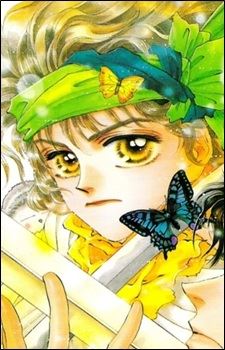

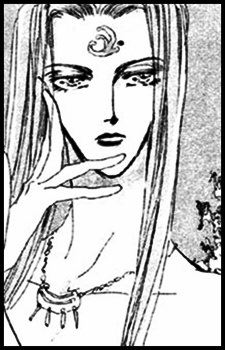
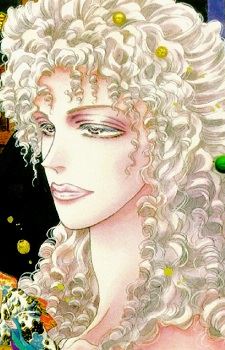




Tamura-sama masterfully integrates historical elements from various countries and centuries, blending them seamlessly. The artwork is delightful, though the facial proportions can be slightly unsatisfying. However, as you progress through the chapters, this minor issue fades away.
The character development is outstanding, never overshadowing the story itself, making it a true masterpiece that everyone should read. Characters evolve rapidly, quickly grasping their situations, needs, desires, and paths forward.
Regarding other topics, modern feminist art has sparked considerable controversy worldwide. (I don't mean excessive empowerment here; rather, it's about discovering what one can achieve with all their abilities, virtues, or shortcomings as a human being, developing with firmness and confidence. Feelings aren't exclusive to women, nor is strength to men.)
Tamura Yumi-sama is remarkable, a genius in character development, especially for the heroines who truly earn their titles.
Unfortunately, the animation didn't receive much attention, likely because the manga wasn't popular for long. The animation only scratched the surface of what became a wonderful, stressful, and utterly captivating story. With so many characters, only about 10% of Tamura-sama's universe made it into the animation.
The voice actors and actresses are from the "old school," and they're exceptionally good.
The music isn't impressive, but it doesn't leave a bad taste either.
Basara is an exceptional manga with a gripping story and unforgettable characters. Let's break it down:
The characters are meticulously crafted, each bringing their own charisma and personal growth to the table. This is crucial because the connections with these characters are pivotal for the "Tatara Gang" storyline. Each character has defining moments that make them stand out, whether through their actions or development throughout the narrative. Ageha, in particular, stands out as the best character!
The protagonist, Sarasa, is a dynamic character who undergoes significant changes. Initially portrayed as an irritating and impulsive girl, she gradually matures into a remarkable figure within the story. Witnessing her journey of moral, psychological, and tactical growth creates a strong connection with the reader.
Similarly, the protagonist Shuri also experiences a transformation. Starting off as someone extremely foolish, he is skillfully deconstructed by the author into a more empathetic, charismatic, and generous individual. His evolution is masterfully executed and compelling to follow.
The story itself is superb. Each arc introduces diverse regions and narrative styles, featuring fresh characters and intriguing contexts. The presence of formidable antagonists and numerous surprises ensures that the story remains engaging from start to finish.
The artwork is impressive. While it may seem unappealing and confusing at first, it evolves significantly over time. There are scenes that are simply breathtaking.
In conclusion, Basara is a fantastic tale of love, adventure, and action. It boasts well-developed characters and a perfectly concluded story. Honestly, it ranks among the best manga I've ever read.
Basara. This won't be a particularly helpful review, but I wanted to share my thoughts.
I appreciate the plot because it feels genuinely original to me. The characters are robust and have distinct personalities, allowing you to develop affection for each one as their circumstances unfold. Because of this,
Characters: 10/10. Occasionally, the stubbornness of certain characters annoyed me, but it's realistic. I managed to understand why they behaved that way.
Enjoyment: Hmm, I'd rate this a 7-8. Why? Primarily because I felt the manga dragged on longer than necessary. It's a good manga, but I believe it would have been better if it wasn't overly detailed in some areas. There were times when I skipped chapters that didn't focus much on the main characters or the central story. However, I appreciated many of the situations' realism.
Romance: I adore how unique it is despite being a Romeo and Juliet type story. The protagonists faced numerous challenges and had to overcome them. Yet, at some point, I found myself wondering when they would discover their true identities and how they would handle it. Although it ended happily, I wasn't fully satisfied with the conclusion. I craved more. After enduring an unspecified amount of suffering and tragedy, I longed to see more happiness. I would have been content if I could witness the good things that happened.
Conclusion: Read it. :) If you enjoy elements like: Strong Characters, Romance, "I will die for you" love, Trust, Friendship, Finding your place, Discovering who you are, and Forgiveness, give this one a try.
Before I start, I'd like to mention that this is my very first review. Please be patient with me. Thanks.
Story:
The brief synopsis of Basara on MAL about a brave girl liberating Japan from tyrannical kings captures the basic essence of the story. However, I want to emphasize that the narrative is much richer and more complex than just that central conflict. There are numerous stories woven around various characters we meet along the protagonist's journey. These characters' tales interlace with the main character’s storyline, creating an awe-inspiring epic spanning 27 volumes. Unlike some series that drag on without purpose, Basara uses each volume to build towards a dramatic climax. Even while dedicating space to side characters’ stories, it stays true to its core narrative. This, in my opinion, showcases the genius and storytelling prowess of Tamura-san. The story of Basara is undoubtedly one of its strongest aspects, and its beauty is indescribable. It has something for everyone, making it a gem worth cherishing.
Art:
Art is Basara's weakest point, but this doesn't mean it's poor. Instead, the art is unique and somewhat rough, though it does improve as the story progresses. Personally, I find it average—it's not bad, but it's also not outstanding. Simply put, it gets the job done.
Characters:
The characters in Basara are unquestionably the manga's greatest strength. They have ample room to develop, and most undergo significant changes throughout the series, growing alongside the narrative. Characters are portrayed with realistic personalities, showcasing both strengths and weaknesses. Even the villains are given depth, often evoking sympathy for their struggles or goals.
Conclusion:
I highly recommend this manga. Its beautiful story and engaging characters make it a must-read. Tamura-san demonstrates her exceptional storytelling skills here; you'll eagerly await the next volume upon finishing the last, and the characters will stir your emotions (well, maybe there's one exception). You'll genuinely care about their fates. Basara offers pleasure in reading and blends various genres to satisfy diverse tastes. That said, it may not appeal to everyone. While it includes action and fight scenes, these take a back seat to character interactions. For those who prefer action-heavy narratives or stunning artwork, Basara might disappoint. But for anyone willing to give it a try, I believe they'll enjoy it. So if you're up for a 27-volume manga series, give Basara a chance. :)
With Basara, I walked in anticipating a tale of star-crossed lovers. While that's undoubtedly part of the narrative, it is also completely captivating—an epic saga of war and romance. The story’s scale is vast, creating a world filled with distinct characters.
The plot of Basara primarily revolves around rebellion. To be frank, it reminds me a lot of the original Star Wars trilogy or any narrative centered on war and its romanticized elements. It also delves into mature themes, presenting war in a straightforward, no-nonsense way. Watching both Shuri and Sarasa build their respective rebellions and gather allies separately, only to encounter each other repeatedly, forced to clash despite their intimate bond, is mesmerizing. This dynamic truly stands out as the highlight of the story. The vividness and charisma of your characters allow readers to deeply invest in both sides.
Yuki Tamura's art perfectly complements the grand scale of the narrative. At times, her work can seem messy, but it all comes together beautifully. Her style is so striking that it draws you in immediately.
I genuinely recommend this to anyone who appreciates a story with substantial scale and excellent character development.
I've been reading manga for more than 15 years now. It's safe to say I've covered a broad spectrum from Shounen to Shoujo, and from adventure/fantasy to slice-of-life school or work adaptations.
Basara took me by surprise. I didn't expect to instantly fall in love with this story and its characters right from the first chapter, nor did I anticipate staying enamored throughout the entire series and even after finishing it. I've read and reread this series multiple times within just a few months (thanks to all the free time provided by Covid-19), and it truly is a masterpiece.
I began this series because I adore adventure stories with forbidden romance, but that theme barely scratches the surface. Yumi Tamura explores an extensive array of themes within one narrative:
The list goes on and on.
If you prefer light-hearted, fluffy stories with some fan service and nothing too disturbing, I would advise against reading this. Or, if you do decide to read it, be prepared to feel uncomfortable and challenged.
On the other hand, if you enjoy deep, detailed, well-thought-out stories about characters who face tremendous hardships, trauma, and change, you might love this series as much as I do. I appreciate the level of detail Tamura-san incorporates into every chapter and angle. Each reread uncovers more subtleties that I missed previously. I wish I were fluent in Japanese so I could experience this series in its original language and intent. I've read both the official VIZ translated version and fan-translated versions, and even the rearrangement of words slightly alters character portrayals.
Without giving away too much of the story, I hope you embark on a wonderful journey with Basara. Not only do the characters evolve, but readers can also undergo transformation through this adventure.
Before I begin, I want to share that I've read the first six volumes more than ten times and the entire series twice. Each time, my love for it has remained as strong as when I first picked up a volume.
Basara is certainly an epic worth considering if you're looking for an escape from today's world. Set in a post-apocalyptic setting, the story starts with the birth of twins, Tatara and Sarasa, and follows Sarasa's journey to build a better world for her people.
The first aspect I'd like to discuss is the art. Despite initially being put off by the seemingly chaotic lines, I eventually grew fond of it. There's a certain elegance in these pages that takes some time to appreciate. It quickly becomes an acquired taste, and now I'm thoroughly enchanted by this style.
The storyline might seem simple at first glance—overthrow the king and create a new country. However, that simple premise hides numerous complexities, such as gaining the trust of men and getting close to the king. Sarasa starts from almost nothing and works her way up. Her path isn't easy, yet she strives relentlessly to improve not only her situation but also others', thereby earning their trust. Although the pacing can slow down during reconnaissance scenes, the story remains captivating throughout most of the series—a remarkable feat given its 27 volumes.
As many have noted, the true gem of this series lies in its characters. Managing a large, fully-developed cast could easily become disorganized, but Tam-tam doesn't just maintain order; she maximizes each character's potential and showcases their development. These aren't static characters who never change.
A prime example of this is Shuri, the Red King. Initially, Shuri is arrogant and overconfident, reckless and dismissive of life's value, especially regarding those he knows nothing about. However, through interactions with Sarasa and other experiences, he learns the importance of every life. By the end of the series, he transforms almost completely. No longer the reckless, overconfident man willing to trample others for his goals, he matures into someone who acknowledges his past actions and wants to make things better.
Sarasa's development is equally beautiful. She begins her journey as a crybaby, constantly relying on others. As events force her to separate from those she depended on, she grows increasingly independent—to the point where she hesitates to lean on anyone for a while. She remains very human—constantly conflicted about her actions, afraid, still somewhat a crybaby. Yet she moves forward with unwavering resolve to achieve her goals. By the end of the series, though still a crybaby, she's independent, accomplished, confident, and no longer the overlooked younger sister.
I must say, I truly enjoyed the entire series, even though volumes 19-24 kept leading me on with false hopes (each chapter's end had me thinking, "Are they going to meet again?! What's going to happen? CRAP, THEY'RE NOT MEETING YET? GODDAMNIT, WHY?!"). This shows Tam-tam's skill in keeping readers hooked and on edge.
In conclusion, Basara's intricate plot and extensive cast of characters should not be dismissed due to the apparent messiness of the art. The brilliant storyline and well-rounded characters are what draw most fans to this manga. A definite must-read epic, Basara has captured my heart—and, as before, I'll be thinking of Sarasa and Shuri for weeks to come!
"Sarasa, even if you feel that destiny is toying with you, destiny is something you design with your own hands."
I love the fantasy genre. Lord of the Rings, Wheel of Time, Game of Thrones... stories with a truly epic feel, huge sword battles, intricate political schemes, and a mountain of well-developed characters. Naturally, I searched for an epic fantasy manga series when I delved into the world of manga and anime. I read a few, they were okay... And then I found Basara.
Outstanding world-building? Check. Incredible character development? Check. Massive, encompassing political wars? Check. The element that drew me in most; delicate, well-handled relationships between characters including but not limited to forbidden romance, deep-rooted friendships, loyal servants, and vengeful enemies? Check. Let's start with the basics.
Art- 9
Yes, the art started off rather... ugly. There's no disguising that fact. It wasn't all that pleasing to look at, lacked detail, and sometimes characters' faces looked really messed up. So why the nine? Just like the characters, the art developed from something ugly into something beautiful and detailed, unique yet simple. Battle scenes became easy to understand but still incredibly detailed, and every single character grew into someone beautiful and unique. I had no trouble distinguishing one character from another—they all had certain physical traits and looks that made them easy to tell apart. If you're worried about the art, ignore the ugliness at the beginning, because you'll certainly be rewarded later on. And when you look back, it's interesting, even amusing, to see how the mangaka's art has progressed.
Story- 9
I'm not going to bother with a huge synopsis because it'd be too long and wouldn't do the story any justice. I know people worry about certain things in the story, so I'll put any hesitations about the story you have to rest now—the pacing, first of all, was fantastic. The story gripped you and brought you up to dizzying heights of excitement, then slowly released you only to sweep you up again. There was never a moment where I felt bored, never a moment I didn't want to continue reading. Sarasa's journey grew from simple vengeance into trying to save the people of her world, and it worked. The story development was realistic, and though it was pretty unpredictable, there was never anything that happened that seemed like the author just did it on a whim. Going back, you could see the foreshadowing, but while reading it was near impossible to predict what would happen next. The overall plot was extremely well thought out, and the length was spot on for what needed to be done. What needed to be done leads me to the ending... not giving anything away, but it was very satisfying. No huge cliffhangers, no things left undone, nothing that needed to be revealed, and nothing rushed in.
Character- 10
Where do I even begin? I HATED Sarasa at the beginning. I mean, I completely loathed her. She was a crying mess of girly 'please save me' cliches and 'no, I don't want to hurt anybody!' Ok, honey, grow up. Yes, your friends will get hurt if you don't fight. No, you can't save the world by loving everybody. Deal with it. Oh, but she did. She went above and beyond dealing with it—she became an ass-kicking, confident badass who led an army, and one of my favorite characters of all time. Definitely my favorite female character of all time. And Shuri. Man, he was a spoiled little cliche evil dude with his 'yeah I'm gonna kill this village for no reason because I can, and because you're a bunch of puny pukes who don't obey me... suck it up, princess.' But then you find out his reasoning. But then he falls in love. But then his morals and actions change and all of a sudden he's endearing, brave, kind, and fiercely loyal to the people he loves. Then come in other side characters who help Sarasa and Shuri, who somehow manage to not be cliched whatsoever and all lovable. Ageha, in particular, stands out—the mysterious man searching for the one woman he'd heard about in a prophecy who would be worthy of his service. So many characters, each with their own hopes, dreams, sense of justice, and development... It was so amazing to see the world from each different person's eyes so you understood all sides of the story, and so wonderful to see how they all interact.
Enjoyment- 10
I freaking love the shit out of this series. It's the only 27 book series I've actually bought all of the books of, because I read it over and over and never get tired of it. It has everything, I mean EVERYTHING a high fantasy should. Well, except for orcs. Though I think this J.R.R. Tolkien quote should describe the world of Basara nicely—
"The world is indeed full of peril and in it there are many dark places.
But still there is much that is fair. And though in all lands, love is now
mingled with grief, it still grows, perhaps, the greater."