
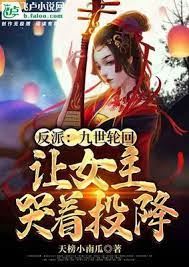
The Reincarnated Villain Makes The Heroines Tearfully Beg for Forgiveness
-
Author:
天榜小南瓜,
- Status: Complete
Rating(4.3 / 5.0, 40 votes)
5 stars
17(43%)
4 stars
17(43%)
3 stars
6(15%)
2 stars
0(0%)
1 stars
0(0%)
Popular Reviews
To give a brief overview without spoiling too much: The central plot revolves around the protagonist rewriting memories. Initially, it seems straightforward, but the memories he presents turn out to be genuine accounts. Everyone, except the main character from the original novel, realizes that he has been their protector.
A surprising turn occurs when the original protagonist awakens the souls of ancient gods due to reader demand, but it turns out to be a fortunate accident. Using his rewriting ability, the protagonist discovers that the original protagonist isn't a reincarnation, but rather a being from a higher realm who 'borrowed' those souls. In reality, the original gods are the past lives of our protagonist.
The narrative maintains credibility until the climax, where the protagonist is revived and faces the heroines and the original protagonist. He learns that one of the heroines, whose identity remains unknown, is actually from another world, aiming to conquer his realm. The shocking twist comes when he experiences a shared intimate moment with all the heroines, only for them to disappear, revealing they were fragments of powerful women from another world.
Now, the plot shifts to the protagonist's mission to save these soul fragments before they are lost forever. These fragments reside within the original girls, who are unaware of their true nature and have no emotional connection to the protagonist anymore.
In summary, the first 200 episodes were filled with heartwarming stories between the MC and the heroines, but the unexpected revelation leads to a dramatic shift and a new quest to reunite them.
Firstly, the abundance of female protagonists is a drawback. The book introduces ten of them, which the author seems to have prioritized over creating depth. Unfortunately, this leads to a lack of proper development for all; it becomes challenging to keep track, as the characters' stories are introduced individually, making it difficult to remember their distinct identities. Generally, in such narratives, authors manage around four well-developed female characters. Some heroines here lack distinct personalities beyond their affection for the protagonist, which reduces reader engagement.
Secondly, the cliché of ascending to a "higher world" around chapter 200 is prevalent in xuanhuan novels and, alas, it occurs here. This plot twist often negates the first part of the story, which is typically the most engaging. Beloved characters are left behind, and the main character's power dynamics shift dramatically, diminishing the impact of their earlier achievements. It feels like a forced extension rather than a natural progression.
Despite these issues, the novel remains an enjoyable read within its genre. If you're a fan of xuanhuan stories, I would still recommend it, considering it's above average despite these flaws. It's worth noting that the length might be influenced by the pay-per-word model common in Chinese publishing, which sometimes results in longer narratives compared to their Korean or Japanese counterparts.
One issue was the mirror scene where the character's "memories" were revealed, causing the heroines to reflect on their actions. The twist was that they witnessed a manipulated past, which left me with conflicting emotions. It reminded me of the plot in "Dear Evan Hansen," specifically the song "For Forever," where Evan fabricates a friendship with Connor.
Overall, while I appreciated the content, there were elements that raised questions about the authenticity of the narrative.
Leave a Review