
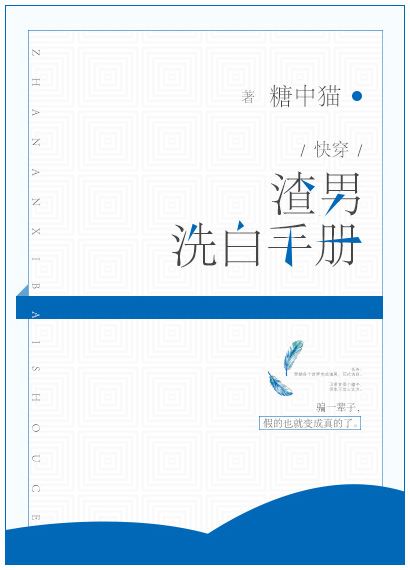
Scum Male’s Whitewashing Manual
-
Author:
Sugar In Cat,Tang Zhong Mao,糖中猫,
- Status: Completed
Rating(4.1 / 5.0, 24 votes)
5 stars
11(46%)
4 stars
5(21%)
3 stars
8(33%)
2 stars
0(0%)
1 stars
0(0%)
Popular Reviews
The only downside is that the main character (MC) was transmigrated into a despicable individual. I couldn't help but wish for the MC to confront and bring down the original, corrupt host, turning their life into a living nightmare. However, it would have been even more satisfying if the MC hadn't undergone such a transformation and instead sought revenge on the scoundrel.
If you're a fan of world-hopping novels with a male protagonist who is devoted and showering love on the female lead, I highly recommend this book.
Honestly, I believe the story would benefit from more creative storytelling. I hope for a greater diversity in plotlines, rather than solely focusing on falling in love with a charming man. Let's see some strong and impressive female leads, please. Apologies if my opinion offends, it's just my personal viewpoint. 😔
The themes and values presented can feel forced, with characters' happiness being envied and their success often linked to wealth. There are instances of dark subplots, like child abuse, theft, bullying, or the struggles of professionals like doctors or teachers, highlighting society's darker side. These antagonists are portrayed as mindless, driven by greed and jealousy, and their presence adds little depth to the story.
The emphasis on money and perfect relationships, where women are seen as delicate possessions, raises questions about dependency and objectification. The MC and other characters seem more like caricatures than fully realized individuals. The ideal life depicted is formulaic, revolving around wealth, power, a single child, and a strong bond, but lacks personal growth or self-actualization.
The lack of genuine world exploration is disappointing, and while the consent in relationships is appreciated, the sweetness feels artificial and detracts from immersion. The occasional attempt at redemption or manipulation, though clever, is rare and insufficient.
Overall, while some may enjoy the "sweet" aspects, I find the superficial nature and lack of complexity unsatisfying. I am more interested in the underlying social issues explored, which unfortunately, are overshadowed by the sugar-coating. Thank you for the translation!
The narrative is told from a third-person perspective, focusing on the emotions and thoughts of other characters rather than Wei Mingyan's internal world. Some readers might find this approach frustrating, but I believe it's a strategic choice by the author, emphasizing the impact of Wei Mingyan's actions on those around him rather than his personal journey.
It's easy to forget that everything is an act, as we witness Wei Mingyan inhabit these roles until the mission completion rate hits 100%, sometimes spanning years. His performances are convincing, and most故事lines end with his eventual demise or that of his companions. The ambiguity of whether he's truly genuine or just playing a role keeps the reader engaged.
Despite it being a mission, Wei Mingyan's character development is commendable. He doesn't treat others poorly unless provoked, showcasing a human side that sets him apart from other overpowered protagonists. The system, which usually drives plot progression in other stories, plays a minimal role here, only surfacing at the end of each arc.
If you prefer concise narratives or a quick read, this book could suit you. The plot isn't extensive, but it's well-paced and focused on resolving the 'original' tale of the despicable characters. There's no unnecessary filler, which I appreciate.
I'd advise against binge-reading it; the repetitive nature might lead to disinterest. Instead, pick up one or two arcs, then revisit it when you need a break from emotionally intense stories.
While I appreciate this genre, I find the repetitive nature, lack of variety, and somewhat平淡 plotline irksome. Every mission centers around the protagonist protecting, doting on, and loving a female character. Supporting characters, even those linked to the leads, are predominantly female – daughter, niece, or grandmother. There are no male sidekicks who embody traits like filial piety, loyalty, or compassion towards the main character; no rescuing brothers, mentoring students, or redeeming ungrateful fathers.
It seems to suggest that only mistreating women earns redemption, while harming men isn't considered worthy. A more diverse narrative arc would have been refreshing, as each storyline tends to follow a similar pattern, with minor variations in setting but identical outcomes. For instance, the subplot about being a second-generation heir could have explored themes of familial duty and overcoming past family issues, but instead, it just becomes another instance of rescuing a girl.
Typically, I enjoy this type of tale, but constant repetition can make it monotonous, like eating the same dish daily, eventually losing its appeal and leaving one feeling nauseated.
Leave a Review