
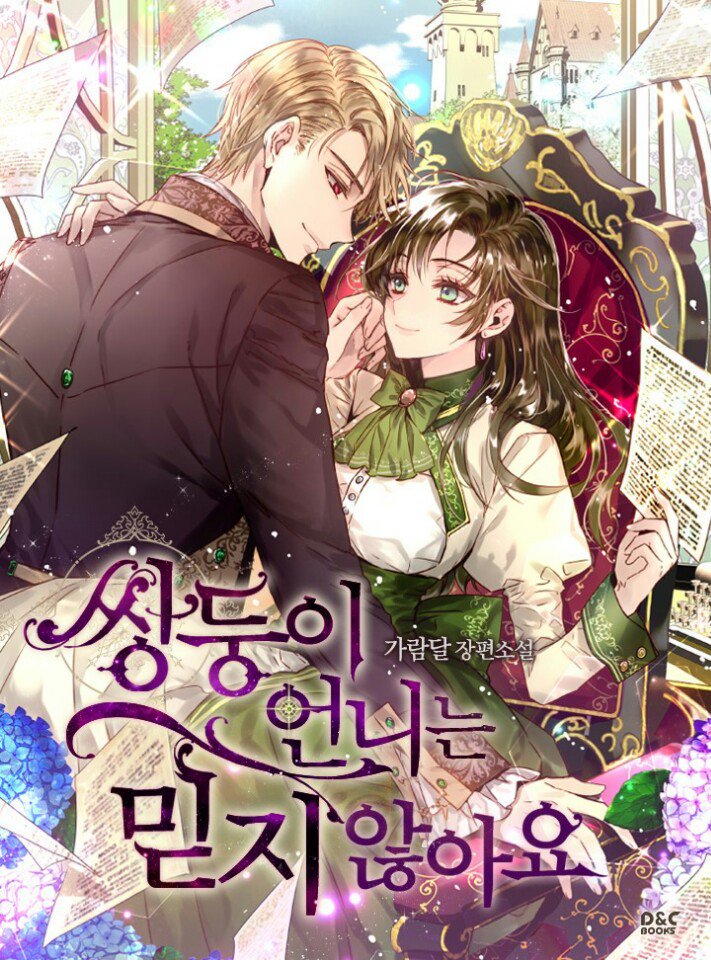
The richest woman in the world, Laurentia Aztana, had success in both work and beauty, but her life was unhappy. She discovered that the illness of her sister, Erusia, was a complete lie, and that she was cooperating with her fiancé to buy all of her possessions. It was a treacherous story of betrayal.
At the moment Laurentia was forced to turn her back on her pain and remorse, she had gone back eleven years before her engagement. Her faith in Erusia, her affection for her fiancé; all of it could go to hell. Listen carefully, Sister, there is no good sister now. I pledge to redesign my life.
The first thing is, I’m tied up with a national hero who cannot possibly deal with the tr*sh left in the past. Oh, the debt that you took unfairly, I’ll fix it. Instead, become my marriage partner.







The focus on the twins' conflicting emotions can largely be attributed to their family dynamics. The parents and, by extension, the grandfather, can be seen as irresponsible for fostering an environment where success equaled love and validation. This upbringing inadvertently led to the sisters' struggles.
Erusia is portrayed as a genius, an extraordinary individual with exceptional abilities, especially when compared to Laurentia, who is also intelligent but not on the same level. However, Erusia stands out as a unique talent. Initially, the family celebrated her achievements, believing she would be the family's future. Meanwhile, Laurentia was constantly reminded to support her sister, despite her own capabilities.
The family's emphasis on comparative success created a pressure-cooker atmosphere, pushing Laurentia to seek attention through unconventional means. When Laurentia injured herself, she discovered that pain could attract the love and attention she craved. This revelation led to a downward spiral, with Erusia feeling responsible for her sister's suffering.
Tragically, their parents' untimely death at a young age exposed the depth of the family's irresponsibility. Laurentia's desperation for attention escalated to the point of attempting suicide. This event marked a turning point, with Erusia deciding to step back and allow her sister to take center stage.
After the loss, Laurentia's mental state deteriorated, and she blamed Erusia for their parents' deaths and her own childhood hardships. However, Erusia's resentment stemmed from the fact that Laurentia had forgotten her initial motives, including sacrificing herself for her sister's spotlight. The grandfather, aware of the situation, retreated emotionally, leaving the sisters to navigate their complex relationship.
In a later timeline, the grandfather opened up to them, sharing the truth and helping them understand each other's perspectives. He acknowledged his role in their suffering and expressed regret for not intervening sooner. Although the story may not be perfect, it offers engaging storytelling and serves as a reminder of the complexities of familial relationships.
I found the concept intriguing despite its familiarity. I am eager to see how the protagonist will confront her twin and prevent her from repeating past mistakes that affected their family.
The translation reads smoothly, with the only minor issue being the indentation for quotes – it took a few paragraphs to adjust to, but it didn't deter me from reading further. The website's design is visually appealing.
I'll continue reading and look forward to more. Best wishes to the translator!