

...
Show More
Master Keaton introduces Taichi Hiraga Keaton, an archaeology professor and part-time insurance investigator renowned for his successful and unconventional investigative methods. Born to a Japanese zoologist father and an English noblewoman mother, Keaton was educated in archaeology at Oxford and is a former member of the SAS. Utilizing his extensive knowledge and combat training, Master Keaton uncovers hidden secrets, thwarts potential villains, and seeks the truth.
Published in English by VIZ Media under the VIZ Signature imprint, Master Keaton was released in 12 omnibus editions from December 16, 2014, to September 19, 2017. The English edition was nominated for the 2015 Eisner Award for Best U.S. Edition of International Material—Asia.
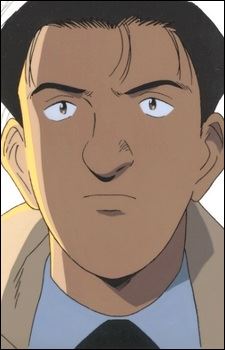
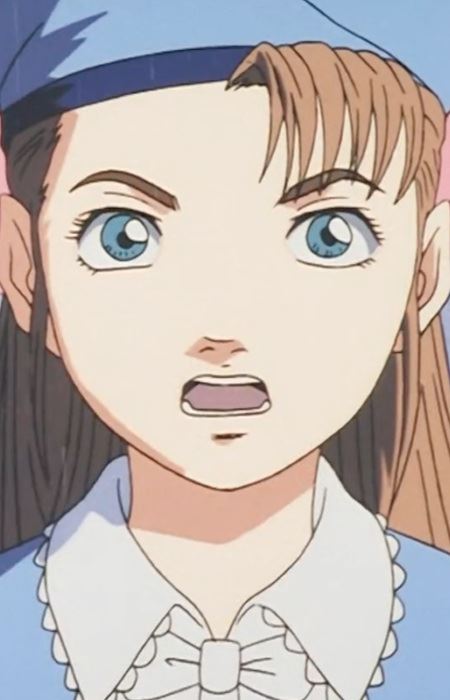








Master Keaton is one of the finest manga I've ever had the pleasure to read, and I cannot recommend it highly enough. It diverges from Naoki Urasawa's other renowned works such as Monster and 20th Century Boys, which are densely plotted narratives. However, it retains a compelling protagonist similar to those series. The themes explored can be weighty at times, but the overall tone remains largely light-hearted. It's refreshing to experience Urasawa's storytelling without the pervasive sense of dread. The story doesn't adhere to a strict plot structure; instead, it focuses on Keaton's episodic adventures, each typically spanning a single chapter. Most characters only appear for that brief period. Keaton himself is an intriguing blend: a multilingual archaeologist, former SAS elite, and insurance investigator. He’s nearly the perfect human being, yet he remains humble with a vulnerable side that keeps him relatable. The artwork might not appeal to everyone, but it definitely has a distinctive variety that many manga lack. Personally, I'm a fan. For me, the defining feature of this series is its "relatability." Urasawa masterfully weaves everyday events into the narrative, concluding them with moral lessons. This aspect makes the series truly stand out. While many manga attempt to evoke a similar response, Master Keaton is the one where I find myself nodding in agreement with the characters' emotions and the unfolding events.
Ready to embark on a European journey without needing a passport or plane tickets? Intrigued by the idea of following a multifaceted character as he navigates and resolves complex yet deeply human dilemmas? Look no further, Master Keaton awaits you.
Master Keaton is one of Naoki Urasawa's earlier creations (in collaboration with Hokusei Katsushika), yet despite its exceptional quality, it doesn't share the fame of works like Monster or 20th Century Boys. It truly deserves more recognition. Thanks to his remarkable skills as a former member of the British SAS, Taichi Hiraga Keaton is summoned to solve cases across Europe as an insurance detective. Each chapter presents a standalone story, with some exceptions. The cases Keaton tackles are diverse, ranging from solving murders to reuniting people with their missing loved ones. The atmospheres vary from heartwarming to suspenseful, keeping readers engaged and eager for more. One remarkable aspect of this manga is its non-arc structure, which allows readers to enjoy each volume thoroughly without leaving them hanging on unresolved cliffhangers.
In a detailed but not overwhelming manner, we learn about the countries Keaton visits: Germany with its Cold War divisions, Poland, England, Ireland, Wales, and many others. Keaton also dreams of becoming a recognized archaeology teacher, often sharing fascinating insights into ancient civilizations through his adventures. However, the true strength of Master Keaton lies in its wide array of characters. Starting with Keaton himself, who embodies a perfect blend of confidence and self-doubt, pursuing his dreams while remaining pragmatic. Despite his extraordinary adventures, he faces relatable dilemmas that make him a well-rounded character. Throughout the series, readers will meet his adorable daughter and charmingly womanizing father, both of whom add depth and warmth to the stories. What’s particularly impressive is how the manga makes readers empathize with secondary characters who appear only once, experiencing a rollercoaster of emotions within a single chapter. These stories feel real and could easily be those of actual people.
However, this manga isn't without flaws. Let's start with the character design. Fans of Naoki Urasawa's other works know this issue well; he has a limited range of facial designs, leading to repetitive appearances among different characters. This can be confusing, especially in Master Keaton where new characters are introduced frequently. Another potential drawback is Urasawa's fascination with the fall of the USSR and its impact on Germany. While it’s an interesting historical period, many of Keaton's adventures revolve around this setting, which might become tiring for some readers.
In conclusion, Master Keaton proves that mature storytelling doesn’t require gratuitous violence or sex. It’s the perfect manga to introduce to someone skeptical of anime, showing that the medium can tackle adult themes like money, love, and family without pretension. Do yourself a favor and join Keaton on his adventures. Trust me, you won’t regret it.
Didn't see many reviews for it, so I decided to write one.
To put it simply: It's MacGyver meets Indiana Jones. End of story.
I read on Wikipedia that it can be described as "Matlock meets Jack Ryan," but I don't see much of that at the start.
If you enjoy stuff like The Adventures of Tintin, Batman by Denny O'Neil & Neal Adams but want a bit more mature storytelling and some research akin to Hugo Pratt's Corto Maltese (but not too academic), then pick this one up. If you like historical mysteries like Da Vinci Code, then grab this. Are you into Legendary Musings of Professor Munekata? Pick this up.
Urasawa collaborates with a historian (since much of it is well-researched) and a writer of Golgo 13 to create the globe-trotting adventures of Taichi Hiraga Keaton.
Typically, Urasawa's stories are long-form where the plot kicks off quickly, like in Pluto and Monster. But Master Keaton doesn't have an overarching plot; it just features the intriguing adventures of an ex-special forces university lecturer who freelances for Lloyd's of London to make ends meet.
This allows the creators to tell a wide range of stories, from negotiating a hostage rescue in England to discovering shipwrecked treasures off the coast of Greece, to meeting ex-German nobility in Berlin. Not all stories are action-packed; some delve into philosophy, while others are more mystery-oriented, but they're all pretty engrossing.
So far, I'm on volume 3, and I'm not sure if there's an eventual overarching plot, but you could skip volumes and still not miss out much, as long as you read volume 1 to get acquainted with the characters. There are few recurring ones—Keaton's family basically—while the rest are only relevant to the current story, making it one of the few Urasawa works, to my knowledge, that you can pick up at any random point and still have a good time.