
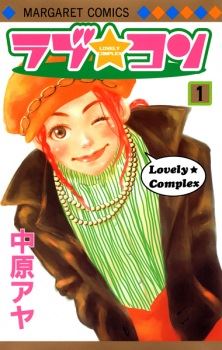
...
Show More
When Risa Koizumi, who stands taller than average at 172 cm, discovers that her occasional rival, Atsushi Ootani, who is shorter than average at 156 cm, has a crush on her friend, she decides to collaborate with him. After all, she also harbors feelings for his friend. Unfortunately, their respective crushes end up falling for each other instead. Determined to find new love after these setbacks, the duo decides to cheer each other on while maintaining their usual dynamic of constant bickering.
Though they constantly deny it, Risa and Ootani have more in common than they care to admit: both have unusual heights, poor grades, similar tastes in food, and a tendency to act very childish. Together, they bring laughter to their peers as a so-called comedic duo. Could the love they seek be closer than they realize?
Included one-shots: Volume 12: Hoshi ni Nattemo Aishiteru Volume 16: Bokura no Ibasho
Lovely★Complex won the 49th Shogakukan Manga Award for shoujo in 2004.
The manga was published in English as Love★Com by VIZ Media under the Shojo Beat imprint from July 3, 2007, to March 2, 2010, and was adapted into two drama CDs, a live-action movie, and a PlayStation 2 game in 2006, as well as a TV anime series in 2007.
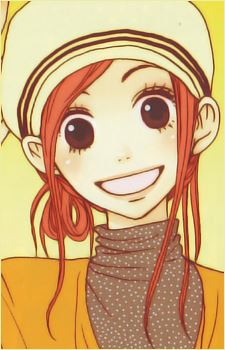
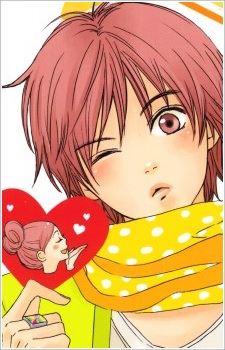
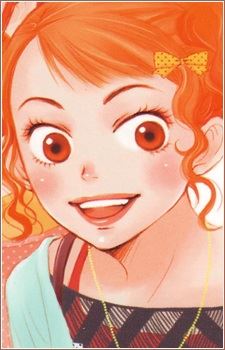
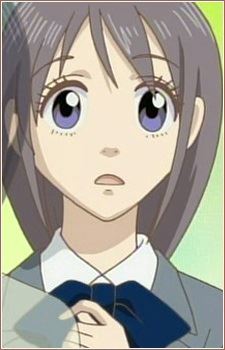
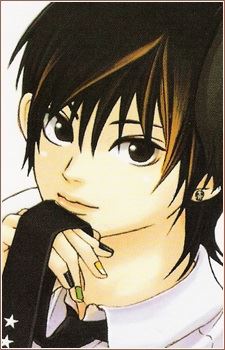






Story: Lovely Complex revolves around Koizumi Risa and Otani Atsushi, an amusing pair due to their contrasting heights – Koizumi is unusually tall for a girl, while Otani is quite short. Their frequent bickering, stemming from insecurities about their heights, often draws crowds as if they were performing. Both are also uncertain about finding romantic partners because of these insecurities. However, as the story unfolds, Koizumi begins to develop feelings for Otani, who remains oblivious. The plot is compelling as it illustrates the development of two individuals falling in love and overcoming challenges together.
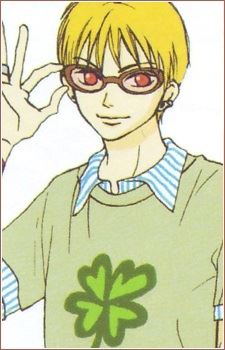
Art: The artwork in this series stands out with its unique style. Instead of the typical large-eyed manga characters, the artist opts for more realistic facial features and hairstyles. Additionally, the characters frequently change outfits, unlike many other manga where characters wear the same clothes repeatedly. The detailed character designs effectively convey emotions and personalities, enhancing the storytelling experience.
Character: The manga focuses heavily on character development, particularly between Koizumi and Otani. There are no side stories or filler content; the narrative sticks closely to their evolving relationship. Told from Koizumi's perspective, the manga highlights her unwavering affection for Otani despite their height difference. Furthermore, the supporting characters also undergo development, which enriches Koizumi and Otani’s journey. These experiences contribute significantly to their growth and understanding.
Enjoyment: I absolutely loved this manga series and plan to watch the anime adaptation. The various challenges the characters face are both inspiring and heartwarming. The manga is filled with adorable and humorous moments that make it enjoyable. The development of not just the main characters but also the supporting cast adds depth to the story. When the manga ended, I felt a bit sad knowing such a wonderful series had come to an end. Every chapter was a joy to read, and I believe many readers will relate to the insecurities portrayed in the story. I hope you enjoy this manga series as much as I did! :D Have fun reading!
I found a version of the translation that flowed very well and made the story more charming than the original manga translation. I read a few chapters of the original, and the writing was so stiff that it really took me out of the story. Despite this, I found myself enjoying the story less and less as time went on, regardless of the translations.
The story revolves around a topic that genuinely bothers many people: height. It was really cute to see a couple not care about it or even try to work past it to discover they have a lot in common. SPOILERS: Otani wants to appear manly despite his height, which means he can be quite an ass, and as some stories go, that's what cool looks like. Bleh. Risa and Otani fight CONSTANTLY, and at first, it makes complete sense. However, as time goes on, Risa is the only one who really starts to change and work past constant insults. Otani continues to be an asshole, and Risa has to just forgive and forget. Notice how often she has to apologize for overreacting when Otani struggles to comprehend what he should do. There were moments where they addressed things like, "Wow, you didn't believe your own girlfriend but believed a stranger?" But this is followed by Risa having to apologize because even though Otani did something shitty, she was wrong about something barely relevant.
Risa spends all her time, life, and energy swooning over Otani, especially once they get together. She is his personal cheerleader. The favor does not get returned, and we even find out that while Risa is struggling, Otani is thriving and not really talking to people about having a girlfriend. Ouch.
There's a lot of Risa talking about how Otani is her life, her power source, etc. We never see that on Otani's side, but every blue moon, he has to struggle with how manly and dumb he is. Overall, it was fun at first, but as with many of these types of stories, the girl has to be extremely forgiving, and her life has to revolve around the boy she loves. Well... It was meh. Nice try, Lovely Complex. You had a great start, and you included a trans person accepted as a girl, but you couldn't quite wrap your mind around how to interact with that concept. It's cool, though; you're just not meant for me. Let's break up, k?
Follow their journey in this unforgettable romantic comedy series.
Manga Recommendation/ Review
Manga - Lovely★Complex
Genres - Comedy, Drama, Romance, School, Shoujo
Author - Nakahara Aya
If you're looking for an exemplary shoujo manga without any unnecessary drama, pure love, no love triangles, and a slow-burn romance, then Lovely Complex is the perfect choice. This manga beautifully captures the romantic journey of two individuals who struggle with their height complexes. The story unfolds at a sensible pace, allowing the romance to develop naturally over time rather than rushing into it within the first few chapters.
Story (9/10) - The storyline is genuinely sweet and pure, making readers feel swept away by its charm. Unlike typical shoujo plots where protagonists fall in love within three chapters, this one takes its time as the characters interact, argue, and enjoy their moments together. The pacing is excellent, filled with heartwarming scenes and a unique concept that elevates the scriptwriting.
Art (7/10) - The artwork is good, following the typical shoujo style. Characters are drawn fittingly for the script, but as someone who reads seinen manga frequently, I felt the art could have been more refined. However, the use of various screen tones was well-executed.
Enjoyment (10/10) - Out of the 5-6 shoujo manga I've tried reading, I dropped all except for Lovely Complex. It stands out as the best one I've read so far, keeping me hooked from start to finish. I never felt like putting it down and completed it within 4-5 days. Many shoujo manga tend to have sudden love developments and dramatic fights involving a third character, but Lovely Complex avoids these clichés. Even when a third wheel caused a conflict, their love remained strong. This manga is delightfully cute and uplifting.
Overall (8.5/10) - To reiterate with emphasis:
"THIS IS BY FAR THE BEST SHOUJO MANGA I HAVE READ SO FAR."
I want to start my review by stating that I am biased when it comes to Lovely Complex. I watched the anime years ago, and it left a lasting impression on me. So, when the manga began being published in my country, I was thrilled. In fact, I have already re-read it twice (something I rarely do, especially not within a span of fewer than ten years). Therefore, I felt compelled to write some words about it because, despite its flaws, it remains a very memorable story for me.
It’s important to note that this series started serialization more than 20 years ago! Given its shoujo demographic, you might expect a lot of clichés from that era (which it definitely has), but I still find it refreshing. I love how the author balances comedy with sensitivity. It doesn’t shy away from drama, but it also doesn’t rely heavily on it, something I appreciate greatly as I’m not a fan of characters constantly crying or adding misunderstandings without any resolution or development.
The main characters are well-defined in terms of personality right from the start, allowing us to dive deeper into their personas as the story progresses. This helps in empathizing and understanding them better. While additional characters mainly serve to create conflict and keep the story moving, which can become repetitive after a while, I was already invested in the main characters and cared about how they would resolve the problems thrown at them (and most of the time, they didn’t disappoint). Moreover, the entire cast is diverse and interesting in their own ways.
As mentioned earlier, some clichés are used as plot devices, but the comedic elements and interactions among the characters made the journey enjoyable. The story doesn’t get stuck for too long, thanks to the side characters who often voice their opinions about the conflicts and offer sensible perspectives, acting as a third-person point of view or even voicing what’s on the reader’s mind. The romances portrayed aren’t overly complicated or passionate, and the main couple’s relationship can be described as a slow burn, which I found quite endearing. It follows a more organic approach but still has more action than stories where characters just blush at each other, I assure you.
If I had to nitpick one aspect, it would be the moments where they highlight “men are like this and women like that” in a restrictive way. Such dialogues sometimes made me roll my eyes. However, these discourses don’t prevent the characters from breaking gender roles or stereotypes occasionally, encouraging people to be true to themselves. That’s why I think the work has aged relatively well (though not all the jokes have).
The art’s biggest strength lies in the characters’ expressions. They perfectly set the mood for the story, creating the atmosphere and delivering the expected impact. While there isn’t a significant investment in depicting the scenarios, some stylistic decisions and angles were interesting, especially during serious moments or comedic acts. I also appreciated the variety in clothing, accessories, and hairstyles, which contributed to the characterization.
Overall, LoveCom remains a great source of entertainment for me, offering joy and characters that I relate to, care about, and cheer on. I recommend it to anyone looking for a light and heartwarming read filled with plenty of bantering!