
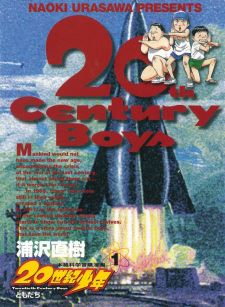
As the 20th century nears its end, people around the world are growing anxious about the changes happening. And these changes might not be for the better.
Kenji Endo is an ordinary convenience store manager just trying to make ends meet. However, when he learns that his old friend, known as "Donkey," has committed suicide and a new cult led by someone called "Friend" is gaining notoriety, Kenji starts to feel uneasy. With some crucial clues left by his deceased friend, Kenji discovers that this cult is far more dangerous than he imagined—not only is it targeting him and his childhood friends, but it also poses a grave threat to the entire world, one that only they can stop.
Kenji's simple life takes a drastic turn when he reunites with his childhood friends. Together, they must uncover how their past is intertwined with the cult, especially as the turn of the century could signify the potential end of the world.
20th Century Boys won the Kodansha Manga Award in the general category in 2001, an Excellence Prize at the Japan Media Arts Festival in 2002, and the Shogakukan Manga Award in the general category in 2003. The series' combined storyline received the Grand Prize at the 37th Japan Cartoonist Awards on May 9, 2008.
VIZ Media published the series in English under the VIZ Signature imprint from February 17, 2009, to September 18, 2012. Although VIZ Media licensed the series in 2005, it was rescheduled for release after Monster concluded due to Urasawa's request regarding changes in art style over time. The series was also published as 2-in-1 omnibus volumes from September 18, 2018, to March 16, 2021. It has been published in Brazilian Portuguese by Panini Comics/Planet Manga since September 2012.
The series was adapted into a trilogy of live-action films released in Japan between August 30, 2008, and August 29, 2009.
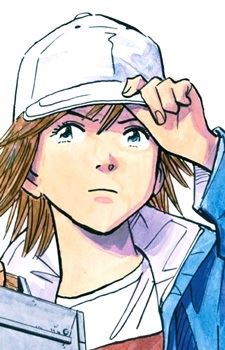
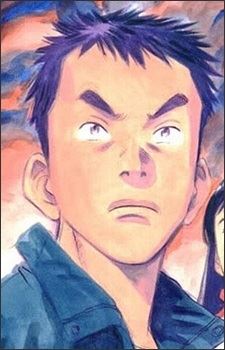
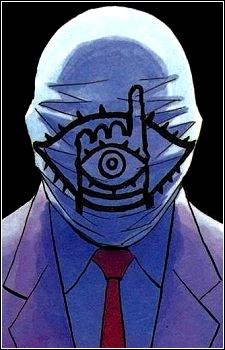
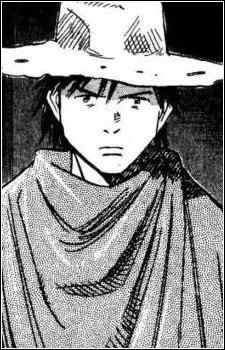






As I delved into the manga, a wave of nostalgia washed over me. Each chapter leaves you yearning for the next, as Naoki Urasawa masterfully elevates suspense to its pinnacle. The narrative flows seamlessly with well-executed time leaps, ensuring no part is confusing. His work has rekindled the childhood memories of many readers.
The character development is impeccable; their friendships evolve effortlessly without any hurdles. The art style suits the story perfectly, with minor imperfections that are easily overlooked. Given all this, it's an ideal manga for any mystery enthusiast.
The originality and success of 20th Century Boys can be attributed to creator Urasawa Naoki's creativity and drawing talent. This manga excites readers and draws them into its intricate story, where small boys in a little town dream big about saving the world and becoming defenders of justice, only to find their ideas unexpectedly shape the future.
Art
The art is excellent, with consistent and interesting styles for both characters and environments. The drawings are visually pleasing, and Urasawa-sensei does a great job maintaining the physical appearance of characters across different ages. However, some characters look cartoonish compared to the more realistic scenery, and distinguishing between some female characters can be challenging.
Characters
While 20th Century Boys features a diverse cast, many characters lack distinct personalities and are defined mainly by their physical traits. The creator seems more focused on integrating characters into the plot than developing their emotional depth, making it hard for readers to connect with them. Even the heroine lacks relatable human experiences, coming off as a fearless go-getter without clear motivations. Koizumi, perhaps the only rational character, serves mostly as comic relief, which highlights the story's odd portrayal of "normal human behavior."
Plot
The story follows a repetitive pattern of revelations followed by temporary resolutions. As a mystery at its core, each revelation provides clues about the identity of "Friend" or his next evil scheme. While initially intriguing, this formula becomes tedious over time. With few characters to care about, much of the narrative feels padded, leading to long stretches before reaching climactic moments.
What Conspiracy?
The conspiracy theory aspect is hard to swallow, requiring belief that numerous people at various levels of the plot are complicit. The motivations and reasons behind the conspirators' actions are not well-explained, nor why they don't rebel against the plan. Despite leaving some plot threads unresolved, the reveal of Friend's identity and motivations is handled brilliantly.
Love, Peace, & Rock'n'Roll
20th Century Boys references classic American rock bands and significant world events like the moon landing and Woodstock. These elements give the story a unique style and an endearing rock and hippie vibe.
Social Commentary?
It’s unclear if the mentioned bands reflect Urasawa-sensei's personal tastes, but he does insert three manga artists into the story to voice his views on the challenges faced by manga creators. These characters highlight "Friend's" suppression and censorship of the arts but also serve as a constant reminder that you're reading a manga. Their presence raises questions about whether such autobiographical elements enhance or detract from the story.
In Closing
I wouldn't recommend 20th Century Boys to casual manga fans. The concept is fascinating, and the story is fun, but it gets stretched thin over its length. However, if you're willing to invest time and immerse yourself in a lengthy manga, 20th Century Boys is worth the effort.
Story:
While the "saving the world" narrative isn't particularly novel, it's executed so masterfully that it keeps readers thoroughly engrossed and eager to continue reading. The transitions between timelines are handled exceptionally well, minimizing confusion about what’s happening. The story is full of twists and turns, making almost every chapter a delightful read.
Art:
The artwork is highly detailed, and even though it was already impressive from the start, it continues to improve steadily. Naoki Urasawa's distinctive art style is growing on me; it's such a refreshing change compared to the typical "Moe" style prevalent in anime and manga.
Character:
My favorite aspect of 20th Century Boys is undoubtedly the cast of characters and their development throughout the story. Each character has intriguing traits, and everyone gets their moment to shine. There aren't many clichéd character archetypes here; most characters behave realistically, avoiding annoying tropes like tsunderes. For instance, Yoshitsune initially seems like a stereotypical weak and cowardly character with glasses, but he ends up being the one who stands up for his friends and always tries to help them.
The main character, Kenji, appears the most "normal" among all the characters. Some might find him boring compared to Otcho (Kenji's best friend), but there really isn't anyone more suited to be the protagonist. He’s the most relatable and down-to-earth character.
Final Thoughts:
Seeing 20th Century Boys ranked highly on MAL, I decided to give it a chance, and I'm glad I did. In my eyes, it's truly a masterpiece. It comes highly recommended, and I can’t stress enough how you HAVE to check out this manga. After finishing it, I spent some time reflecting on just how amazing it was.
Also, how can you resist reading a manga with a villain named Friend and a homeless man called God?
This is my first review, so sorry >w< Also, I apologize for any mistakes in my English.
This contains spoilers.
The story revolves around Kenji and his friends, as well as their childhood. As an adult, Kenji encounters something he hasn't seen since he was little and gets blamed for a terrorist act. He can no longer live his ordinary life. But in the end, he becomes the hero (I guess you could figure that out).
Story - 9
The story is new to me or at least not something I come across every day. The plot can get quite messy but usually gets explained later in the manga. Naoki is really good at making the story sad or badass at the right times, but sometimes, he drags things out, which can be a bit boring.
Art - 8
The art is very good. It's not like ordinary manga where the males are hot or shotas; they actually look like real people. The same goes for the females. The surroundings mostly show details, and you usually know where the characters are. (I can't really say much about art)
Characters - 7
They all have their own personalities, but it isn't really anything new in my opinion. They all have their "own" design, which I like. What I mean is, they don't look the same but with different hairstyles. Naoki can also take characters and give them a good story that makes you cry.
Enjoyment - 9
This is one of my favorites. If you read it, you'll understand. Naoki can really make a story that keeps you marathoning it. Sometimes you cry, sometimes you laugh, and sometimes you'll go "AWESOME!"
Overall - 9
If you like mysteries and psychological mangas, you will probably enjoy this one. I would definitely recommend this to everyone. I like this one and hope it turns into an anime because 20th Century Boys deserves it ^^b
This story has many commendable qualities but is hindered by repetitive themes and a lack of satisfying payoffs. My enjoyment fluctuated significantly from arc to arc, so I want to rate them separately:
1st arc: 9/10
What I enjoyed here was the way the conspiracy unfolded and how the characters were drawn into it. This kept me on the edge of my seat. The connection between harsh adult life and childhood nostalgia was also a strong point.
2nd arc: 6/10
The enjoyment quickly diminished when I realized that the second arc follows much the same progression as the first, but with less interesting characters and less nostalgia. Reading it becomes tedious due to the numerous chapters and the late reveal of one of the few genuine secrets in the story.
3rd arc: 5/10
What began as a thrilling conspiracy story has now turned into a post-apocalyptic adventure that lost its sense of threat. Unnecessary comebacks, the power of music, and the same story progression as in arcs 1 and 2 really detract from the enjoyment. It becomes painfully obvious how Urasawa stretches the little actual mystery there is to endless lengths while recycling the same plot progression repeatedly.
Despite the good art and nostalgic elements, this manga became a frustrating experience for several reasons. Much of what you read doesn't impact the story's outcome; an important character ends up being useless, and the highly anticipated reveal turned out to be somewhat disappointing. Additionally, there's a doctor who holds the key to all the secrets but is kept out of the story with weak excuses to avoid early reveals. Someone becomes a public leader despite hiding from the public for most of the story, and there are far too many implausible constructs (like the game and most of the friends' far-from-fail-safe plans) designed solely to prolong the story. I would recommend reading just the excellent first arc and then googling everything that happens afterward. It will save you a lot of time and disappointment.
Reading "20th Century Boys" feels like diving into a shounen manga, even though it is firmly rooted in the seinen genre. As expected from Naoki Urasawa, the story features a wide array of unique and intriguing characters. However, I feel that the antagonist, "Friend," is somewhat over-glorified on the internet. While his actions are portrayed as highly intelligent and manipulative, they don't entirely convince me. It's hard to believe that he could deceive the entire Japanese population, government, and even the world through the methods depicted in the story. The same logic applies to the portrayal of the protagonists.
Additionally, the final "fight" scene felt distinctly shounen-like, relying on the trope of friendship power to defeat "Friend." Reflecting on it, I find that idea oddly poetic and fitting. Despite these critiques, it was an enjoyable read overall.