
Gray World is dominated by will of Gods and it thrives under the control of iron gears and steam. Here, faith is not a passive devotion but a currency—traded, bought, and sold by churches that wield their gods' influence as weapons.
It is a place where value determines everything and defines every aspect of belief.
Here, Church of Steel reigns supreme, its mechanical claws gripping every facet of life, while the Church of Sacrifice whispers promises of salvation through pain and sacrifice.
Yet amidst the familiar deities of sacrifice, iron, and decay, a new god descends—one who was once known as The Faceless One, God of Confusion by masses: God of Fiction.
God of Fiction, Ashur, arrives after dying by the machinations of God of Sacrifice and others.
Unlike other gods, Ashur, does not demand worship through suffering or material devotion. Instead, he brings something infinitely more dangerous: the ability to weave fantasies into existence, to blur the line between fiction and reality.
"Is fiction not a truth waiting to be realized?"
Whispers spread among the people—rumors of a church that doesn't preach, of a god who offers not suffering but something far more seductive: choice.
They speak of dreams too vivid to be mere illusions and realities that seem to bend to their imaginations.
"What is fiction, if not another form of reality?"
When the masses begin to believe, does belief not shape the world itself?
As his proclamation goes— [To not exist does not mean one truly does not exist, for to be known is also a form of existence.]
﹌﹌﹌﹌﹌
Give it a try. It may come as a new concept, but definitely not a boring one.
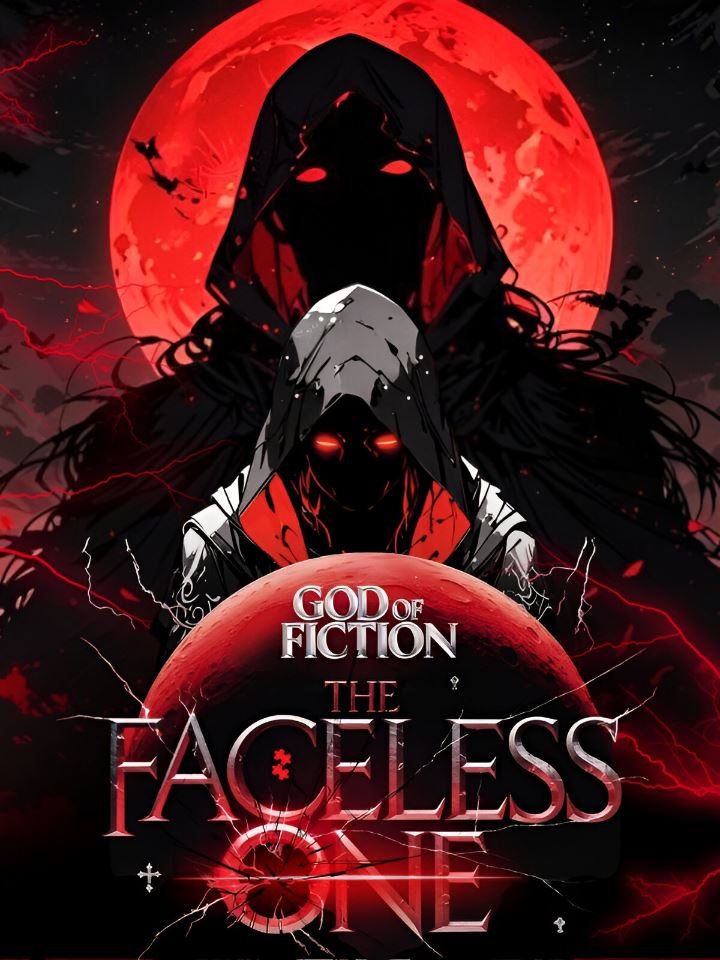
God Of Fiction: The Faceless One
- Genre: Fantasy
- Author: _Darker_Than_Black
- Translator:
- Status: Ongoing
- Rating(4.3 / 5.0) ★
Recommendation Lists
Original Group
Latest Release
-
webnovel C 34
-
chereads C 34
-
webnovel C 33
-
webnovel C 32
-
webnovel C 31
-
webnovel C 30
-
chereads C 33
-
chereads C 32
-
chereads C 31
-
chereads C 30
-
chereads C 29
-
chereads C 28
-
chereads C 27
-
chereads C 26
-
chereads C 25
-
chereads C 24
-
chereads C 23
-
chereads C 22
-
chereads C 21
-
chereads C 20
-
chereads C 19
-
chereads C 18
-
chereads C 17
-
chereads C 16
-
chereads C 15
-
chereads C 14
-
chereads C 13
-
chereads C 12
Leave a Review
Part 1. Rate God Of Fiction: The Faceless One (click Star to vote)
Part 2. Login to account
Part 3. Write your review
Below are some things that I haven't described in the chapters as it may disrupt the lore and I am a newbie to it so I don't wanna take that risk. They are potentially spoilers but I HIGHLY RECOMMEND YOU TO READ IT—
.
.
.
.
.
.
The tone I chose for it is cryptic, mysterious, and often darkly humorous. It is a mixture satire with power, faith, and reality. There's a lingering sense of unease, with an some spark of cynicism about the manipulation of belief, value, and human desires. It shows how the gods and systems operate, it also shows rebellion and subversion, particularly through that same manipulation.
The backgroumd is dystopian industrial world known as the Gray World, where faith and value are tightly controlled by ruling churches. The world is driven by industry, with factories, pollution, and a bleak, gray sky serving as the backdrop. Various deities rule over different aspects of life, and their followers work under a hierarchy of control, often suppressed by the gods they worship.
The first arc is in a heavily mechanised world, regulated by the powerful Steel Church, which dominates both society and religion through its technological might. Beneath this order, other faiths like the Sacrifice Church vie for power, using pain and suffering as currecy. As story will progress, their will be world-hopping and conquering other worlds.
I introduced some new, or say, obscure concepts such as:
Faith: It is transactional in this world. Churches wield influence by harvesting faith, with gods expecting value in return for blessings. Faith is intertwined with economy—gods are constantly in competition for believers, and their power stems from the devotion and suffering of their followers.
Value: Everything in the world is measured in value—whether it's the labor of the people, the pain they endure, or the faith they provide. Gods extract value from their followers, whether through sacrifice, worship, or emotional offerings. The God of Fiction, MC, however, introduces a new form of value—imagination and belief in the unreal, which is his unique power that he recieves from the terminal.
Churches: Each church represents a different aspect of life or divine influence. The Steel Church controls the industrial and mechanical facets of society, using faith to keep its technological empire running. The Sacrifice Church feeds on the suffering of its followers, promising redemption through pain. Howeve, the Fictional Church (God of Fiction's following) operates through games, imagination, and narrative, offering a more abstract and unpredictable form of value.
Information: Information is the unique power of MC, he codes games using that information and uses those games as a means to establish his faith. The power— "Information Enlightenment," is what he obtained from legacy of Second Epoch's god's altar.