

Tomomi Nomiya, once the captain of his high school's basketball team, becomes a delinquent after dropping out of school. His decision stems from overwhelming guilt over a traffic accident that left a young girl's life in ruins. In an effort to make amends, he spends his free time helping her, during which he encounters Kiyoharu Togawa, a former sprinter who now plays wheelchair basketball after losing the use of his right leg.
Following a one-on-one game where Tomomi is thoroughly defeated by Kiyoharu, he finds renewed inspiration. Realizing his passion for basketball cannot be so easily extinguished, Tomomi decides to help others while pursuing his dream of becoming a professional player. Meanwhile, Hisanobu Takahashi, who replaced Tomomi as the high school team captain, suffers an accident that leaves him permanently paralyzed from the waist down. "Real" tells the poignant story of these three young men as they confront their disabilities and inner struggles, striving to achieve their dreams and reignite their passion for life and basketball.
"Real" received an Excellence Prize for manga at the 5th Japan Media Arts Festival in 2001. The series has been published in English by VIZ Media under the VIZ Signature imprint since July 15, 2008.
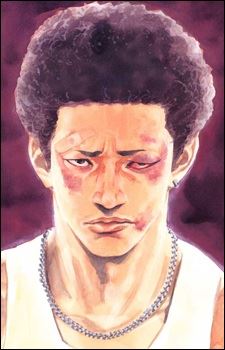
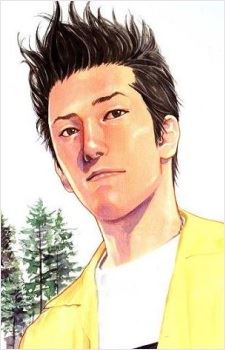
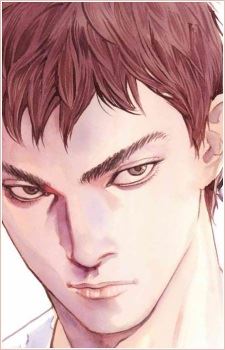
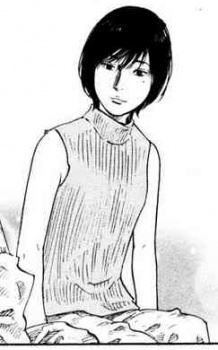
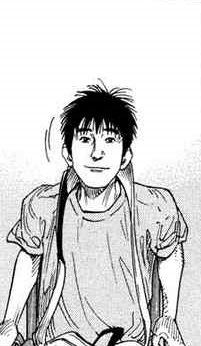
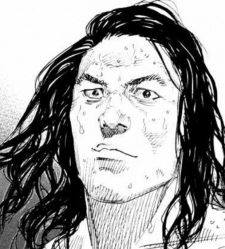


Real isn't merely a manga about wheelchair basketball;
The brilliance of Real is not solely in its captivating artwork but also in its profound exploration of the human mind. Inoue's characters are meticulously crafted, their intricacies laid bare for readers to unravel.
From the fiercely determined protagonist, Nomiya, to the troubled ex-basketball star, Takahashi, each character's journey is depicted with authenticity and depth.
I was initially drawn to the title "Real" when I started reading this manga, but its true significance became more apparent as I delved deeper into the narrative.
This Manga feels Real.
If you're seeking a manga that resonates with genuine emotion and mirrors real life, look no further than "Real."
Three men, two common points: disability and passion for basketball.
With Real, Takehiko Inoue once again delivers a masterpiece. I must highlight the magnificent drawings!
Disability
Takehiko Inoue tells the story of three young men whose lives were shattered due to disability.
Tomomi Nomiya has just been expelled from high school. Passionate about basketball, he hasn't played since causing a motorcycle accident where his passenger, Natsumi Yamashita, lost the use of her legs.
While visiting Natsumi, Tomomi meets Kiyoharu Togawa. Having had one leg amputated, Kiyoharu started playing wheelchair basketball but finds his team mediocre.
Hisanobu Takahashi became the leader of the basketball team after Tomomi's expulsion. One day, he gets hit by a truck while trying to steal a bike. Surgeons tell him he has lost the use of his legs.
Inoue Sensei and his love for basketball: a recurring theme
Takehiko Inoue has already celebrated basketball in his legendary work Slam Dunk (I have never laughed so much).
In Real, the mangaka uses basketball as therapy. Basketball, like many sports, unites people and helps them surpass themselves.
Thus, these three characters must accept their disabilities, face them, and especially stand up against them.
Friendship, love, family
The characters may gradually confront their disabilities, but it wouldn't be the same without their loved ones who try their best to help them. They too have had their lives turned upside down. Standing together will enable them to overcome their disabilities little by little, defeat after defeat, victory after victory.
The publication rate is too slow
The only negative point is undoubtedly the publishing rate (13 volumes since 1999). Even though Takehiko Inoue has stated several times that he wants to take his time and publish at his own pace, the wait becomes very long, and we end up losing the thread...
You can still start the manga, which currently contains 13 rich volumes. Some chapters have been released since...
In summary
A realistic and touching manga, sometimes funny, sometimes sad.
A truly inspiring lesson, sometimes very hard, that shows no matter what the hardships, you have to get up again and again because life is worth living.
Can I even call this a critique? Honestly, I’ll be discussing elements I appreciate. It will resemble a review in structure, but it won’t delve into critical analysis of Real. Instead, I’ll converse as if casually chatting on Discord or during a voice chat. Before diving in, three points need addressing: First, Real remains an ongoing manga at the time of writing. Second, I haven't completed it; I’ve read up to volume 13. Third, Real is my second favorite manga, so criticism is minimal since there's hardly anything I find fault with. In my opinion, Real stands among the greatest artistic works I've encountered, and it has placed Takehiko Inoue not just as my favorite mangaka but also within my top five creators across all media. Given how much Real means to me, questioning whether this can be called a review feels necessary.
What makes Real such a standout favorite for me? The answer is everything, but let’s break that down. Starting with the story, Real focuses on three (later four) vastly different characters, exploring their minds and personal journeys. If one word encapsulates Real’s narrative, it’s "human." It presents realistic, relatable situations, allowing us to grasp each character’s mindset. Initially, these characters might seem unlikable—Nomiya, a high school dropout who ruined Natsumi’s life by paralyzing her; Takahashi, a brat who steals bikes and mocks Nomiya; Togawa, whose selfishness dismantled his team. However, uncovering their backstories reveals layers, leading to phenomenal character development turning them into tragic heroes. Nomiya rediscovers basketball, mends relations with Natsumi, gets a driver’s license, and lands a job. Togawa learns teamwork’s value, reunites his team. Takahashi takes rehab seriously, rekindles his passion for basketball, and appreciates life anew. Such developments elevate Real to a top-tier manga, keeping readers deeply engaged. Note: if you expect fast-paced basketball action like Slam Dunk, reconsider. Real is fundamentally a character drama, using basketball as a catalyst for growth. While Slam Dunk is my 12th favorite manga, blending sport and fantastic characters, Real centers on character development first. Expectations mismatch may lead to disappointment.
Moving to characters, beyond the main trio, another key figure emerges later: Shiratori, a former wrestler paralyzed in an accident but optimistic about recovery. His hardworking, positive outlook impresses. We meet other memorable characters like Hisayuki, Takahashi’s regretful father; Tora, Togawa’s mentor who gives him a wheelchair, evoking powerful emotions. Key moments include Takahashi yelling at Shiratori post-rehab, Nomiya using job loss as motivation, and Togawa texting Yamauchi on his deathbed. Volumes 11 and 13 exemplify Real’s essence, showing character growth and backstory depth. Volume 11 features Nomiya trying out for the Lightnings, Togawa learning teamwork, and Takahashi taking rehab seriously. Volume 13 delves into Shiratori’s past, revealing divorce, wrestling’s significance, and profound character evolution. Despite limited space, these examples highlight why Real resonates deeply.
Regarding art, unsurprisingly, Real’s visuals are outstanding. Takehiko Inoue’s renown is justified, with Real showcasing his skill. Though possibly not surpassing Vagabond overall, Real’s art exceeds Slam Dunk’s best. Pages balance text and imagery well, making reading smooth. Action scenes flow excellently, matching Slam Dunk’s excitement. This section is shorter, but suffice to say, Real’s art is consistently amazing.
In summary, “Thank You, Inoue.” For creating one of fiction’s finest pieces, giving unforgettable characters with exceptional development, and crafting an immersive story. Thank you for Real. Though Inoue won’t read this, I still express gratitude for my second-favorite manga and my favorite mangaka ever. If you love human drama, Real is essential. Its character development is unparalleled. To conclude, a final “Thank You, Inoue.”
What can be said about REAL that hasn't been mentioned already?
It's a masterfully crafted manga by Takehiko Inoue, centered around the theme of overcoming life's challenges. The story follows three main characters as they navigate their lives and search for their paths.
You find yourself relating to them because, at some point in your life, you've had similar thoughts. As the manga progresses, so do you. You feel compelled to join them in their battles against obstacles. It makes you want to go out and play basketball or start studying hard to live life to its fullest potential. Your inspiration doesn't stem from their victories but from their transformation.
The journey is sometimes more important than the destination, and this is one of those times.
Favorite quote from the manga: "I just want to be a better person."
Perhaps the finest manga I've ever come across. Inoue's talent for making you fall in love with his passions is unmatched. Even if basketball wasn't your thing before, after reading this, you'll at least grasp what it feels like to be passionate about something.
Every aspect of it shines:
- The artwork is as stellar as one would expect from Inoue
- The action sequences are brilliantly illustrated and perfectly fit the genre
- The humor is authentic and enjoyable
- The narrative is emotionally resonant and thoroughly engaging
The sole downside is the wait for Inoue to complete his masterpiece, but as Nomiya might put it, "This isn't despair. This is joy!"
When you suggest someone read a manga about wheelchair basketball, it might sound strange at first. But once you dive into it, you realize this manga is far more than just the sport. If I had to sum up REAL in one sentence, it would be: "Life is incredibly tough." This manga captures that struggle, the relentless effort required to keep going, reflecting the true nature of our world.
What I appreciate most about REAL is its multi-faceted narrative. The series centers around three individuals, each grappling with their own inner demons and fighting to survive their circumstances. The characters in REAL are so deeply developed that out of all the mangas I've read, this is the only one that made me genuinely cry—not just shed a few tears, but sob uncontrollably. This reaction highlighted how connected I felt to these characters. The way they're portrayed makes you feel what they're experiencing. For instance, even though Takahashi is initially depicted as an asshole and selfish, as you learn more about him, you begin to understand and empathize with his deeper struggles—a feat many mangas fail to achieve. The same goes for Nomiya or Togawa; they're crafted on such a personal level that this manga feels more real than most others I've encountered.
If you're looking for something serious, something that will make you ponder during your quiet moments or while showering, then read REAL. I wouldn't say everyone will love it because it reads more like a book than a traditional manga. It doesn't follow the typical manga characteristics and tropes. It's not an exaggeration to say this is the best manga I've read to date. If you want something thought-provoking, give it a try.
Great, great manga. Another masterpiece from Takehiko Inoue.
This is not a new Slam Dunk. It tackles much heavier and more mature themes, delving into them to an unprecedented depth. The love of basketball here serves as both a backdrop and a crucial element.
It's a backdrop because the story, at least up until now (volume 14), isn't about basketball. Instead, it focuses on people grappling with the various impacts of physical disability.
It is crucial because it is through the rediscovery or cultivation of their love for basketball that the characters rebuild themselves from trauma and re-signify their experiences with physical disability.
Real essentially deals with this: how disability, with all its specificities, challenges, and implications, also offers an opportunity for rescuing the past, for re-elaboration, for re-signifying oneself—a rescue and discovery of potentialities and what truly matters in life.
The protagonist trio showcases such diverse characteristics, embodying different ways of dealing with how physical disability shapes their lives. What they share in common is that their stories converge from the (re)discovery of basketball as a turning point.
There are aspects of life that adhere to certain expectations, while others defy those very expectations. This applies across the board—whether you're watching a sport, enjoying a movie, or reading manga.
In the realm of manga, as in any other field, you will encounter works that fit within established criteria, and over time, you learn what to anticipate. You know what to expect from Shonen Jump, from specific authors, and so forth. However, every now and then, a title emerges that breaks away from these norms, leaving you questioning what expectation truly means. "Real" is one such work.
To say I don't have high expectations for Takehiko Inoue would be a lie. After all, he authored what I still consider (to this day) the best sports manga, while also continuing to work on "Vagabond," another monumental, larger-than-life experience.
I won't spoil anything, but "Real" introduces us to a subject most people won't be familiar with, featuring a diverse cast of characters ranging from meticulous to eccentric. What sets "Real" apart from everything else in any medium is its soul. It's incredibly grounded, profoundly real. You'll feel emotions, move with the art, and yes, you will cry.
You will cry.
No fictional work is perfect in my eyes, but this comes as close as it gets. Not rating "Real" as a masterpiece would be madness.
Do yourself a favor: enjoy this.