

Fifty years ago, the bearers of the sacred Rave stones battled against an invasion caused by demonic Dark Bring stones. This conflict culminated in a cataclysmic event known as "Overdrive," an explosion so powerful it sent the Dark Bring into dormancy and scattered the Rave fragments across the globe.
In the present day, Haru Glory leads a tranquil life on Garage Island until one fateful day when he catches a peculiar creature named Plue while fishing. Plue is soon identified by Shiba Roses, an elderly man who turns out to be the original Rave Master. Shiba informs Haru that the Dark Bring has resurfaced and stresses the critical need to gather the scattered pieces of Rave to combat this threat. However, before Shiba can embark on this mission, he is ambushed by a soldier from the malevolent organization Demon Card. In the ensuing struggle, Shiba transfers the power of Rave to Haru. With the future of humanity now resting on his shoulders, Haru, the new Rave Master, sets off on a quest to reunite the scattered Rave fragments.
Rave was published in English by Tokyopop under the title Rave Master, spanning 32 volumes from February 11, 2003, to February 10, 2009, until their license with Kodansha expired. Del Rey later acquired the license and released the final three volumes in a single omnibus edition on May 24, 2011. Kodansha Comics USA digitally republished the entire series in single volumes starting October 3, 2017. The series was also published in Spanish by Norma Editorial from February 2004 to February 2010.
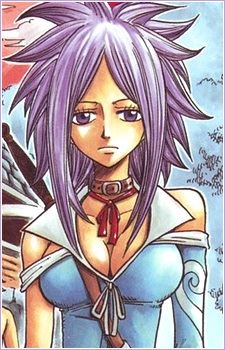
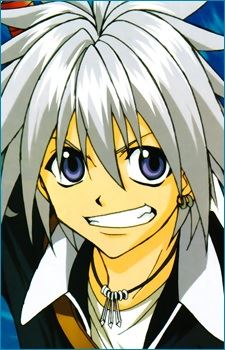
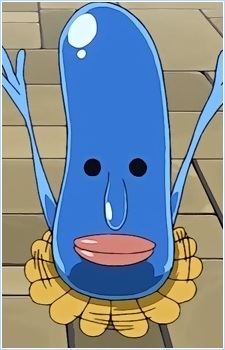
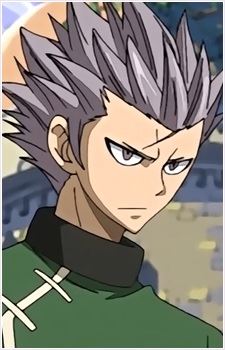
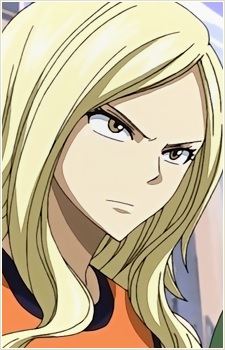
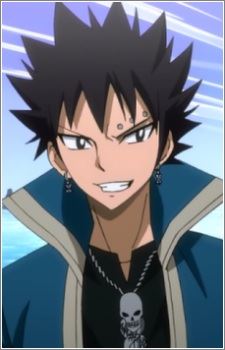



Rave Master was a series I discovered during my middle school years. It was one of the first manga I ever read, and I was captivated by how different it was from American comics. The series exuded style; it integrated musical themes into various story elements and naming conventions, character designs were spot-on, and the initial cast was likable enough that I quickly became attached. At that time, I was too young to afford buying the volumes, and my lack of resources made me lose track of the series.
Years later, with Hiro Mashima currently writing several ongoing titles (as of the beginning of 2020), I decided to finally reread Rave Master to completion. My manga knowledge had significantly increased since my last read, and I was curious to revisit it. Watching an artist's work evolve over time is fascinating, and Mashima is no exception. The first few volumes of Rave Master can be a bit rough, but near the end, my attachment to the characters and the artwork kept me engaged enough to finish the story.
The story includes many typical shonen tropes: the power of friendship overcoming any obstacle, the main character winning fights simply because he is the protagonist, coming-of-age story elements, and so on. Unfortunately, this also becomes the manga’s biggest flaw. Characters often survive their battles out of plot convenience (Let and Haru being prime examples). Despite suffering lethal damage or sacrificing themselves for their friends, they all miraculously survive. Moments with emotional weight are sadly negated later because the author was hesitant to kill off fan favorites, while other characters are killed off almost casually.
Another significant issue I have with the story is its inconsistent pacing after the King/Demon Card arc. Pumpkin Doryu, a major side villain, has a multi-volume storyline (which I found the least interesting) yet the final enemies' battles only take a few chapters. I’m unsure if this was due to publication issues or if the story was intended to end this way, but the last storyline felt rushed, introducing several incredibly powerful characters who are defeated within 2-3 chapters.
Despite these gripes, Rave Master is a great shonen read. You’ll quickly become attached to the colorful, diverse cast and the world of Rave. Plus, the length of the series doesn’t require too much of a time commitment.
Groove Adventure Rave: An epic adventure filled with emotional events.
This is probably the only manga I've completely read, so I think I should write a review about it.
Note: I watched the 51-episode anime ten years ago. I recently finished reading the manga. I am also currently watching Fairy Tail, another story by Mashima Hiro, so this review will be based on that context.
If you have read or watched Fairy Tail, you should definitely read this manga. There was a 51-episode anime adaptation of Groove Adventure Rave, but it didn't cover the entire story. Therefore, reading the manga is the only way to understand the whole narrative. This story might even be the origin of Fairy Tail (or so I thought).
This manga follows the typical shonen genre pattern. A hero battles evil, travels through various places, and meets many comrades along the journey. Like other shonen stories, the hero is powerful and becomes even more so as the journey progresses. The hero also possesses a very powerful item that can only be used by him to defeat evil. In the end, the hero and his companions defeat evil and save the world, but the cost is high, which is what makes Groove Adventure Rave truly stand out. Several important characters die, and these events are deeply touching.
Enough about the story. The plot is amazing, so I give it a 10. The art is unique but inconsistent, changing several times, so I'll give it an 8. Character development is great. For enjoyment, I really enjoyed it due to the masterful story, so overall, I give it a score of 9.
For those who want to experience a different kind of shonen manga, Rave is the best choice. For those who have read or watched Fairy Tail, this manga might be its origin, so you should definitely read it.
Please enjoy the read.
WineZ
PS: If you've already read the comic, DON'T watch the TV series. It leaves out Volume 1 and is just absurd. You will get frustrated!!
I will update as I read more.
Story: 4
Character: 4
The story and characters are quite cliché. It follows a warrior who is the only one capable of saving the world from an evil organization. Along his journey, he encounters individuals who join him because he has changed their hearts. He manages to turn a few villains to his side, refuses to kill, and embodies the typical naive good guy. The overall plot direction was fairly predictable.
Art: 6
The art style is reminiscent of One Piece, which I personally enjoy, so it was tolerable for me. The artwork improved significantly after about seven volumes. There are many well-drawn fight scenes, but the mangaka reuses several character designs from Fairy Tail, which I love. This repetition made me somewhat annoyed seeing similar characters again.
Enjoyment: 10
Overall: 8
Despite my lower scores in other areas, I unexpectedly loved this manga. It had a lighthearted tone with plenty of comedy, yet it also tackled serious themes. While it could be cheesy and a bit lame, the emotional highs and lows, along with minor plot twists, were fantastic.
I recommend this manga to readers who seek an emotional experience and can overlook clichéd storylines and characters. They should also be able to tolerate the art style.
Groove Adventure Rave, known as Rave Master in North America, is easily one of my favorite shonen series and ranks as my fifth favorite manga ever! Let's dive into the story. A boy named Haru Glory is chosen as the Rave Master, meaning he is one of the few who can use Rave stones. Along his journey, he meets Plue, a snowman-like creature often mistaken for a dog. He also encounters Ellie, an Etherion girl; Musica, a man who can manipulate metal; Let, a dragon from the Mystic Realm; and many other characters.
Throughout the story, Haru faces numerous challenges that make him stronger, ultimately leading to battles against the main antagonist of the first half, Demon Card. As for the second half, you'll have to read to find out who the villain is. The artwork in this manga is excellent, with well-developed characters and engaging story arcs. For me, it became even better after Sieg Hart's fight. One of my only issues is the slow start in pacing, some art inconsistencies, and a shaky plot, but everything improved significantly after the sixth volume.
When I first picked up the manga, I thought it wouldn't be very good, but how wrong I was. This manga can be enjoyed by any age group, which is why it will always hold a special place in my heart.
I used to think this was great when I was in elementary school, but now that I've grown up, I'm not sure what to make of it. It can still be a fun read if you can mentally return to a time when your tastes were simpler and less critical. Cool things happen, and you enjoy them without overthinking. However, if you've developed a more refined taste for the media you consume, this might seem like trash compared to your current favorites. Honestly, the only thing I really remember is that strange dog, so my review might not be very helpful. If you're still in elementary school, though, you should definitely give this a read.