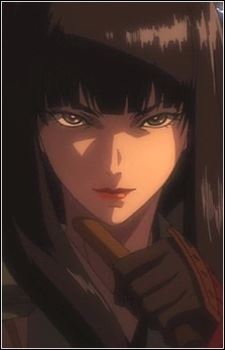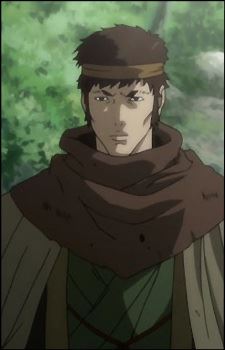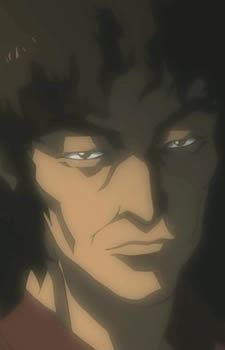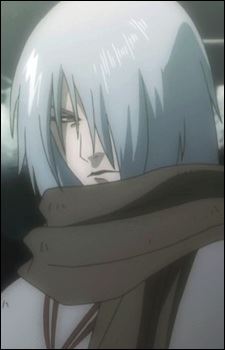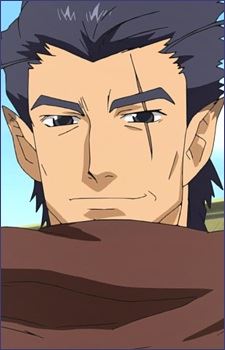
Yoshitsune was born amidst the tumult of the Heiji Rebellion in 1159, a period during which his father and two eldest brothers were slain. His life was spared, and he found refuge under the care of Kurama Temple, nestled in the Hiei Mountains near Kyoto. Meanwhile, Yoritomo faced exile to Izu Province. Eventually, Yoshitsune came under the guardianship of Fujiwara no Hidehira, the influential leader of the Northern Fujiwara clan in Hiraizumi, Mutsu Province.
Adept with the sword, Yoshitsune triumphed over the legendary warrior monk Benkei in combat. From that moment on, Benkei pledged unwavering loyalty to Yoshitsune, ultimately meeting his end alongside him at the Siege of Koromogawa.
In 1180, Yoshitsune learned that Yoritomo, now the head of the Minamoto clan, had mustered an army at Prince Mochihito's behest to challenge the Taira clan, who had usurped imperial authority. Shortly thereafter, Yoshitsune joined forces with Yoritomo and their brother Minamoto no Noriyori, marking the beginning of their alliance in the final conflict between the Minamoto and Taira clans, known as the Genpei War.
In early 1184, Yoshitsune defeated and killed his cousin Minamoto no Yoshinaka at the Battle of Awazu in Ōmi Province. The following month, he secured victory against the Taira at the Battle of Ichi-no-Tani in present-day Kobe. In 1185, Yoshitsune emerged victorious again at the Battle of Yashima in Shikoku and decisively crushed the Taira at the Battle of Dan-no-ura in what is now Yamaguchi Prefecture.
After the Genpei War, Yoshitsune sided with the cloistered Emperor Go-Shirakawa against his brother Yoritomo. Seeking temporary sanctuary with Fujiwara no Hidehira once more, Yoshitsune was betrayed and suffered defeat at the Battle of Koromo River. Ultimately, he was compelled to commit seppuku along with his wife and daughter, by order of Hidehira's son, Fujiwara no Yasuhira. Today, Yoshitsune is venerated at the Shinto shrine Shirahata Jinja in Fujisawa.
Yoshitsune has long been a celebrated figure in Japanese literature and culture, notably as the protagonist in the third section of the classic Tale of the Heike (Heike Monogatari). The term "Hougan-biiki," signifying sympathy for a tragic hero, derives from Yoshitsune's title "Hougan," bestowed upon him by the Imperial Court.