
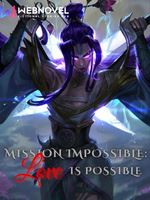
Mission Impossible: Love Is Possible
- Genre: Fantasy
- Author: Unusualdee
- Translator:
- Status: Ongoing
- Rating(3.8 / 5.0) ★
Recommendation Lists
Latest Release
-
chereads C1
-
chereads C156
-
chereads C155
-
chereads C154
-
chereads C153
-
chereads C152
-
chereads C151
-
chereads C150
-
chereads C149
-
chereads C148
-
chereads C147
-
chereads C146
-
chereads C145
-
chereads C144
-
chereads C143
-
chereads C142
-
chereads C141
-
chereads C140
-
chereads C139
-
chereads C138
-
chereads C137
-
chereads C136
-
chereads C135
-
chereads C134
-
chereads C133
-
chereads C132
-
chereads C131
-
chereads C130
Popular Reviews
While "Samurai Executioner" lacks an overarching narrative, it masterfully explores a wide array of themes, with justice standing out as the most prominent. It can be argued that this theme is the core focus of the manga, with the author meticulously examining the processes involved in judgment. Often, dialogues delve deeply into the crimes committed by the convicted and their corresponding punishments, showcasing a logical and detailed procedure.
An intriguing aspect of the manga is its portrayal of someone whose livelihood involves taking lives: the psychological toll of such a profession must be immense, yet for Asaemon, it is his everyday reality. It is truly captivating to witness how this individual navigates the myriad situations he encounters, from dealing with deranged prisoners to facing the retribution of the executed's relatives. Asaemon can be described as a resourceful and highly principled man, steadfast in his adherence to bushido. He seeks to understand those whose lives he takes, going beyond what his profession requires. He does not harm others willingly; he genuinely hopes for a day when people will no longer need to be judged by the sword, eliminating the necessity for executions altogether.
The story also examines the backgrounds of the victims and their respective crimes, providing insight into their psychological states and their stance on their impending execution. At times, the episodic chapters are dedicated to simply illustrating facts and thoughts related to the act of beheading. A beheading is a ritual, not merely a murder. Its purpose is to sever the crimes of the victim, not the person themselves. Ideally, the condemned should die recognizing the severity of their sins. Another fascinating element is the detailed descriptions of how individuals should conduct themselves, emphasizing how their actions can impact society and their peers.
The art style is exceptional and perfectly suited to capturing the cruelty and harsh realities of life during that era. The intricate depictions of various backgrounds and characters bring the scenes to life, enhancing the seriousness of the situations through facial expressions and body language. It is worth noting that some character designs may appear slightly distorted or less distinct at times, primarily due to the similar clothing styles of the period, making it challenging to create a highly varied cast. The portrayal of executed individuals is strikingly realistic, occasionally veering into graphic territory but never becoming excessive.
"Kubikiri Asa" was an excellent read, offering detailed and thorough explanations of various crimes and the reasoning behind the punishments. The well-developed characters and impressive art style further enrich the experience. Naturally, readers seeking a story with a specific goal may not find it here, but the depiction of Yamada Asaemon's daily life and challenges more than compensates for this. I wholeheartedly recommend "Samurai Executioner" to anyone with even a passing interest in historical fiction.
Thank you for reading.<p>
Based on the synopsis and the manga cover, one might anticipate an intense action-packed series, yet Samurai Executioner leans more towards the 'slice of life' genre—quite literally in this instance! The central character, Yamada Asaemon, though not formally a vassal, serves as the Shogun's sword tester. His occupation involves executing condemned criminals by beheading them. There is a ritual and tradition tied to this brutal punishment, much like many facets of Edo-period Japanese life.
For 21st-century readers accustomed to violence in media, some may not flinch at what unfolds in this manga, but there will likely be moments where you pause and truly grasp the gravity of the scenes before you. Asaemon cuts heads for a living. Witnessing just one beheading in real life could leave a lasting impact, but this man does it professionally, dealing with criminals who are often reluctant to face their punishment.
This results in some of the manga's most profoundly poignant and emotionally charged moments. The behavior of the condemned, their final actions or words before death, Asaemon's demeanor and reactions; his techniques for handling uncooperative criminals, his methods of easing the dread they're about to experience, are all remarkable aspects.
Yamada Asaemon was born into the lineage of the Shogun's sword tester. His father executed criminals as part of his job and trained his son from a young age to remain unaffected by shocking violence. Asaemon is an extraordinary character. He embodies what energetic youths might call 'badass,' yet he is also one of the most compassionate figures I've encountered in manga or anime. He consistently strives to adhere to the Bushido code, refusing to marry or have children to shield them from the grim reality of his life, and he always endeavors to assist others despite having no obligation to do so.
He asserts that upbringing and environment shape whether one does good or bad, and he views himself as punishing the sin committed rather than the individual. He envisions a day when all people are equal, and his profession will no longer be necessary. It's ironic that growing up amidst such brutality—waking up among headless bodies and witnessing countless decapitations—he matures into such a virtuous man.
Samurai Executioner contemplates life and death, the essence of justice and punishment. It features extensive discussions on addressing crime, living one's life, and facing death. It provides insights into the bureaucracy of Edo-period Japan and the severe repercussions for both samurai and commoners alike. There are occasional battles, but primarily, it revolves around Asaemon listening to the last words of the condemned.
Essential reading, and certainly not to be overshadowed by Lone Wolf & Cub.
Samurai Executioner feels like an attempt to recapture the magic a second time. Same creative team, similar settings, comparable protagonists, and the same episodic structure. The only difference? Samurai Executioner is terrible.
Before diving into specifics, let me clarify one thing: the artwork is truly exceptional. It features precisely the kind of spaghetti western-inspired, Eastwood-like heroes you'd expect from Goseki.
Getting back to the point: Samurai Executioner lacks a coherent story or overarching narrative, unlike Lone Wolf & Cub. It turns out that such a narrative is crucial; without it, each episode feels trivial and meaningless. Yamada starts off as a paragon of bushido, but without a quest or a worthy adversary, his tales rapidly lose any sense of tension or drama.
I believe even Kazuo recognized this issue, which is why he introduced the rookie officer Kasajiro midway through the series, perhaps hoping to provide a character with potential for growth and development. However, as a modern reader in 2016, engaging with an Edo-era police officer as depicted by a fairly conservative Japanese writer from the '70s, Kasajiro quickly loses my sympathy. His actions—like beating his wife for napping on a hot day or torturing someone for a confession—are deeply off-putting.
There are elements of Samurai Executioner worth appreciating, especially early on when you can still convince yourself that the story is heading somewhere. Unfortunately, the longer you read, the more lackluster, aimless, and frustrating the experience becomes.
Overall, it's subpar. Not recommended.
Overall, I appreciated the series; it's well-crafted, and the artwork is exceptional. However, it's essential to approach this series with the understanding that it isn't "another" Lone Wolf or Path of the Assassin, which will enhance your enjoyment of it.
Leave a Review
Part 1. Rate (click Star to vote)
Part 2. Login to account
Part 3. Write your review