
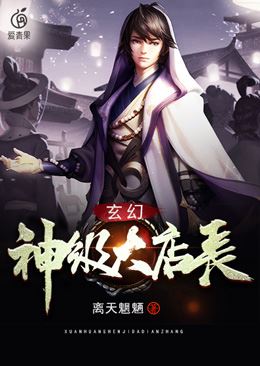
God-level Store Manager
- Genre: Action
- Author: Li Tian Wang Liang,
- Status: Ongoing
...
Show More
Action Adventure Fantasy Slice of Life Alternate World Arrogant Characters Boss-Subordinate Relationship Comedic Undertone Cultivation Dense Protagonist Game Elements Hiding True Abilities Human-Nonhuman Relationship Late Romance Lazy Protagonist Male Protagonist Misunderstandings Money Grubber Overpowered Protagonist Slow Romance
Rating(4.1 / 5.0, 12 votes)
5 stars
4(33%)
4 stars
5(42%)
3 stars
3(25%)
2 stars
0(0%)
1 stars
0(0%)
Popular Reviews
1. Although people claim there's only one arrogant young master, there are actually two - the second prince of the empire. He was stripped of his power and exiled due to the emperor's knowledge of the main character's strength, as depicted in Chapter 78.
2. The ending might not tie up every loose end, and that could be because I read the machine translation version.
3. If you prefer a translated version, there's a manually translated site available, but it's quite late in the series, around Chapter 50. The machine-translated version might be challenging, but not unbearable.
4. Both the main character (MC) and female lead (FL) have simple yet powerful origins. The MC is a Void Beast, a being from the vast emptiness containing all universes. They are essentially a newborn, having discovered a newly formed universe where the strongest person (a female) becomes the FL. Their story and the reasons behind opening a shop and FL's involvement are better explored in the novel. The MC is portrayed as the strongest character introduced.
5. There will be some Chinese cultural elements and themes, which might make you feel slightly out of place, but it shouldn't significantly impact your enjoyment.
6. The story features numerous well-developed characters, ensuring a diverse and engaging plot with new faces to keep boredom at bay.
7. Lastly, while it's not an action-packed novel, it still holds a strong emotional appeal and can be considered a poignant tale.
Remember, these are personal observations, and your experience might differ based on your preferences.
The story starts with the expected awe from customers, but after revealing his invincibility, it becomes stagnant. There's no further conflict or antagonist to challenge him, and his god-like status renders any potential drama obsolete. Even the business aspect fails to captivate, as product introductions lose novelty, and the main character's personal development is slow and underwhelming.
The book feels like watching someone play a repetitive game without any real narrative progression. The author could have explored different aspects, like game development or the creation of a webnovel, but instead, these threads are consistently pushed back, making the reading experience monotonous.
In summary, the pace is glacial, there's no tension, and other elements like romance are virtually nonexistent. At this point, I'm unsure if I'll continue, as the book offers little incentive to finish. It's just too lukewarm and lacks the excitement needed to sustain interest.
If you've ventured into this genre before, you might recognize this narrative as a blend of "Gourmet of Another World" and "Black Tech Internet Cafe System." It's a bit平淡, but I find the main character slightly more relatable compared to others I've encountered. Despite its lackluster appeal, giving it three stars feels somewhat generous. Still, it serves as a decent time filler, so I'll go with it.
Chinese young readers face numerous pressures, seeking solace in fantastical stories. They indulge in a chapter or two daily, allowing their imaginations to soar, unlike those who binge-read through hundreds of translated chapters. This approach sustains the original work's health and vitality. So, understanding these nuances is crucial when engaging with the source material.
1. The protagonist's status screen receives similar humorous evaluations, mocking their situation in a way that was present in "GoAW."
2. Both stories feature a mission to acquire a first customer within a week, followed by a reward, mirroring plot points from the original.
3. The pricing strategy is identical – overpriced cultivation crystals that initially draw skepticism, but eventually gain acceptance as people realize the value due to the presence of spirit energy or unique ingredients.
The author even explains the high prices of specific products using the same rationale as in "GoAW," mentioning rare components contributing to their worth.
If the author intended to create a derivative work, it would have been more advisable not to base it on a well-known and popular source like "Gourmet of Another World."