

...
Show More
At the dawn of the 20th century, relations between England and Japan were tense. England sought to expand its influence over Japan, while Japan was determined to keep foreign cultures at bay. However, Koto, a young Japanese girl, remained indifferent to whether the people she encountered had almond-shaped eyes or wore kimonos or Western dresses. In fact, she was captivated by this foreign lifestyle that brought numerous innovations to Japan. Above all, it was the clothing that caught her attention, as she dreamed of becoming a tailor and creating dresses for women from every culture.
Sadly, being a woman, she knew her aspirations would end once she got married. She would have to conform to the expected behaviors of a noble and respectable woman. Indeed, she was engaged to Masaomi Kidoin, the second son of one of Japan's most prestigious and ancient families. On the day she learned she would marry Masaomi, Koto attended a ball at the British Embassy where she met Sagitto, a half-English, half-Indian spy who captured both her imagination and heart. But could their love story have a happy ending when both the British and the Japanese were hunting Sagitto, wanting him dead, and Koto was compelled to live a life that did not suit her?
(Source: Storm in Heaven)
Included one-shots:
Volume 3: Ken to Mademoiselle
Volume 4: Honeymoon Typhoon, Pandora no Hako (Pandora's Box)
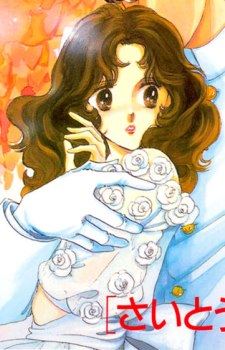
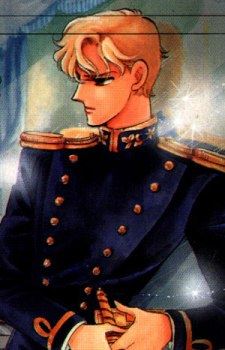
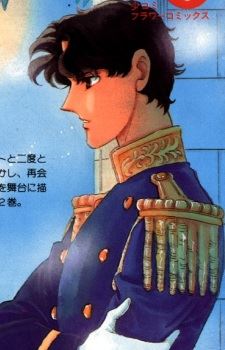
Most people probably recognize this series due to Chiho Saito's involvement with Revolutionary Girl Utena. While some characters bear clear similarities to those in Utena, this manga manages to carve out its own identity and convey a distinct message.
The artwork is particularly delightful during the dance scenes, and although character designs generally stick to a common base, a few like Sajit truly stand out. Men tend to look quite similar, occasionally leading to confusion about who is who, but the women characters remain distinctive. The attention to detail in clothing design is another highlight; several of Koto's dresses showcase meticulous craftsmanship. The panels are laid out logically, making the manga easy to follow without much need for backtracking.
In terms of plot, it follows the classic trope of star-crossed lovers separated by time. However, without giving too much away, the story subverts the usual narrative of two individuals from different worlds. The series takes unexpected turns twice, yet manages to tie up loose ends convincingly without feeling contrived or rushed. There’s also potent commentary on interracial relations, showcasing Chiho Saito's penchant for challenging conventional norms, which is evident throughout the series.
The characters are another strong suit. Koto, the main heroine, is both strong and relatable. Despite being torn between love and family duty, she spends little time wallowing in self-pity. She shares some traits with Utena but clearly enjoys her femininity, which adds depth to her achievements. I wish we had more insight into Sajit's motivations, but what we see makes him endearing and flawed simultaneously. The primary love rival starts off as villainous and heartless but undergoes genuinely touching development towards the end. Even the stereotypical antagonistic sister elicits sympathy by the conclusion.
Overall, this is an enjoyable shoujo manga that stays true to its genre while attempting something unique. Fans of Utena will likely appreciate seeing prototype characters in a new setting and enjoy more of Saito's subtle yet beautiful artistry.
Batteries not included
A product of cloud nine inc.
You do know that, if they went the normal route of finishing one Part before starting another, it would take years to finish adapting the Manga, which could cause the Manga adaptation to get Axed (which commonly do happen).