
...
Show More
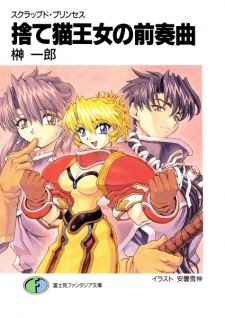
Fifteen years ago, the king of Linevan celebrated the birth of twins—a girl and a boy. Shortly after their arrival, a prophecy emerged, foretelling that the girl would bring about the end of humanity upon her 16th birthday. To avert this dire fate, the king decreed that the princess must be eliminated. Miraculously, she survived and was raised far away from the kingdom that sought her end. Now, as she nears her 16th birthday, news has reached the king's guards that she is still alive. This prompts them to embark on a mission to complete the task they were ordered to do.
(Source: Tokyopop)
Scrapped Princess was published in English by Tokyopop from August 9, 2005, to May 9, 2006.
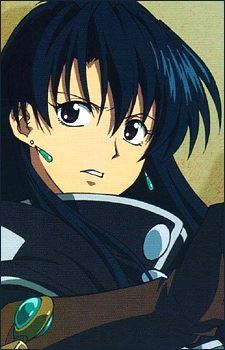
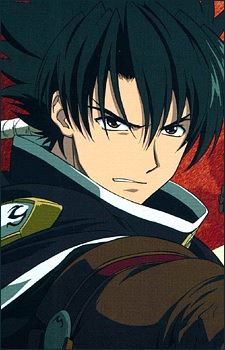
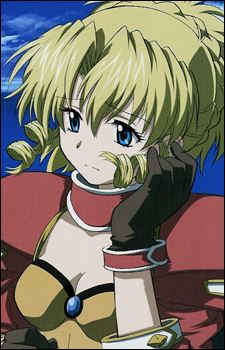
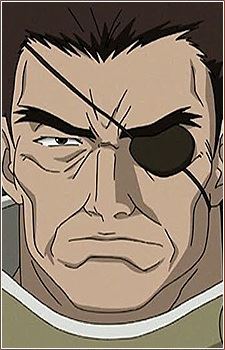
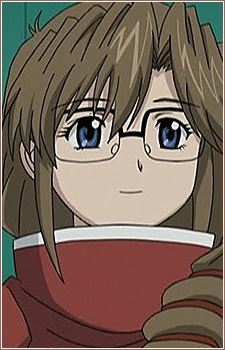
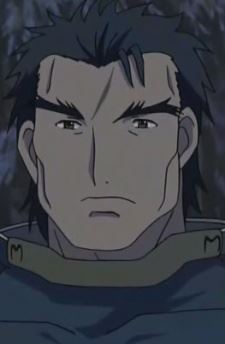
What happens when the entire world stands against you, leaving only your brother and sister by your side? This central theme is a cornerstone of both the manga and its anime adaptation. Despite sharing several similarities, the manga introduces elements that didn't quite resonate with me as well as the original did. It's not necessarily bad, just different—a feeling akin to when a beloved story gets altered. The artist's attempt to adapt a novel into a manga might explain why the characters feel somewhat underdeveloped compared to their animated counterparts. Although I can't pinpoint exactly why, the anime felt more spirited while the manga came off as dull.
Several new characters appear in the manga who were absent from the anime, including one reminiscent of Wolverine from X-Men. Their narratives often revolved around themes of familial loss, which, while relatable, started to feel repetitive. These stories occasionally jumped ahead in time, hinting at future events, but this felt disjointed given Pacifica's supposed role in ending the world. If she was destined to bring about the apocalypse, wouldn't nothing happen afterward? The ambiguity left me wondering if her fate was death or something else entirely, adding an odd twist to the narrative.
If you expected the manga to mirror the anime precisely, think again. Not only does it diverge significantly, but it also lacks a conclusive ending. Instead, it offers fragmented glimpses of the overarching storyline, introducing various characters along the way—mostly those seeking to eliminate Pacifica. Each arc followed a predictable pattern: confrontation, escape, backstory exposition, and then another confrontation. This formulaic approach made for a rather bland experience, devoid of the rich background and dynamic combat scenes found in the anime. The manga’s primary message seemed to be about protecting family above all else, but even that lacked depth.
The artwork is visually appealing yet conventional. Occasionally, the stark black lines made it challenging to distinguish between characters, and their expressions often appeared lifeless. Despite these shortcomings, the aesthetic quality remains commendable, though it doesn’t fully compensate for the lackluster storytelling.