
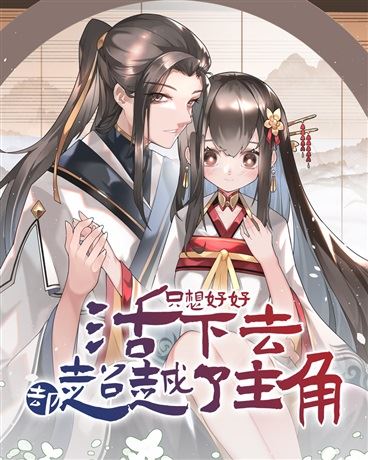
I Just Wanted to Live, but I Somehow Became Better Than the Main Character
-
Author:
☆ Crazy → Mosquito ★,☆疯狂→蚊子★,
- Status: ongoing
Rating(3.6 / 5.0, 18 votes)
5 stars
3(17%)
4 stars
6(33%)
3 stars
8(44%)
2 stars
1(6%)
1 stars
0(0%)
Popular Reviews
Umineko is a detective mystery crafted to transcend the very concept of detective mysteries. It places logic, deduction, and the detective work of mere humans against the magic of an extraordinary witch. Or does it? It's a clash between the mystery genre and the fantasy genre, and Episode 1 serves as an excellent introduction to this conflict.
The grand saga commences with what is more or less a regular crime scene. A group of people becomes trapped on a secluded island where mysterious murders occur. Well, multiple mysterious murders. The protagonist must catch the culprit to prevent further victims. The conclusion, which I won't spoil, sets off a conflict of even greater magnitude. This is where the true genius of this work shines. The clues are present from the beginning and always were. Hints leading to the conclusion of both this episode and the entire Umineko story are hidden in plain sight, carefully chosen to avoid giving away the game while still allowing discovery. But I would bow to anyone who pieces them together, as the mystery is constructed so masterfully that it appears unsolvable until the solution reveals that it was your oversight for not figuring it out. There's no BBC Sherlock-tier nonsense here; the author fairly wins the intellectual battle with the reader without cheating. Admittedly, the grand conclusion comes later, so technically it isn't part of Episode 1's rating, but Legend of the Golden Witch delivers such a well-executed setup for the finale that it deserves some credit. A setup that is enjoyable not just after the finale but right from the start.
The art is fantastic and perfectly complements the atmosphere of Umineko. It transitions seamlessly from cute, everyday life scenes to horrifying imagery and terrifying expressions, creating a striking contrast. The violence and gore are well-balanced—just enough to spark the morbid curiosity inherent in humans but not excessive in a way that feels edgy or pretentious.
I’ve spent considerable time thinking about how to approach this review. To begin, I want to make it clear that I read the manga after completing the visual novel, which I hold in extremely high regard.
The visual novel Umineko: When They Cry ranks among the best media experiences I've ever had, so achieving complete objectivity is impossible for me. My thoughts are undeniably colored by my deep affection for the source material.
The Beginning: Disappointment and Contrast
Upon finishing the visual novel, I eagerly decided to explore the manga. I thought Umineko was the kind of story that rewards revisiting to fully grasp its intricacies, and I was curious how the narrative would resonate now that I knew all its twists. Regrettably, my initial experience with the manga left much to be desired.
The first chapter speeds through the introduction, offering only a superficial glimpse of the characters. Many awkward jokes—reminiscent of low-quality anime humor—undermine the story. For instance, Battler, a richly developed and likable character in the visual novel, becomes someone whose personality seems defined solely by crude jokes about breasts. In the visual novel, Battler's relationships, wit, and charm are crafted so skillfully that he feels instantly relatable. The manga’s portrayal, however, feels one-dimensional and unappealing, particularly for those unfamiliar with the original work.
Similarly, other characters suffer from rushed introductions and lack the depth that makes them unforgettable. A standout example is the scene between Rosa and Maria, where Rosa's fury escalates into an emotionally charged confrontation with her daughter. In the visual novel, this moment is profoundly moving, layered with raw emotions that deeply resonate. The manga, on the other hand, barely touches upon these feelings, leaving it far less impactful.
Moreover, there's an evident inclusion of fan service in the manga, which feels misplaced in such a serious and atmospheric tale.
Improvements After the First Volume
After completing the first volume, I hesitated to continue but am glad I did. Once the story progresses to the first night, it grows significantly more engaging. Although it still doesn't match the depth and atmosphere of the visual novel, I found myself recapturing faint echoes of the emotions I experienced with the original (enhanced by listening to the Umineko soundtrack while reading).
Some fans have expressed dissatisfaction with certain twists or how some mysteries are revealed in the manga. Personally, I didn’t notice these issues, likely because I was already well-versed in the source material. However, I believe that even if I had started with the manga, I would have been captivated by the world and intrigued by the mysteries and storytelling.
The Art Style
The art style presents a mixed impression for me. While it isn't poor, it fails to encapsulate the distinctive tone and atmosphere of Umineko. At times, I found it distracting or even jarring compared to the themes of the story.
Final Thoughts
Considering the manga alone, it's undeniable that the story remains highly engaging. Despite a shaky start, once you finish the first volume, you'll find it hard to put down. It's a complex, atmospheric, and thought-provoking tale that challenges your perspective and invites profound reflection. Umineko: When They Cry stands as one of the most intricate stories I've encountered, and it truly deserves attention.
The first arc is one of my favorites. The emotions, the atmosphere, and the thrill of encountering everything anew are invaluable to me. Many may not agree, but I firmly believe the first arc of Umineko is exceptional. For me, it merits a solid 9/10. Yes, the manga has its shortcomings, but the core story shines brightly, even in its condensed form. And my love for the first arc of the visual novel, which I rate 10/10, undoubtedly influences my perspective.
P.S.
If you haven't delved into Umineko yet and are debating whether to start with the manga or the visual novel, I strongly recommend beginning with the visual novel. You won't regret it—it will become one of the most captivating and enriching stories you’ll ever encounter. Trust me; you'll thank me later.
First arc - Legend of the Golden Witch, final rating 9/10 (Manga Version)
As an introductory chapter, its primary function is to introduce the characters and establish the family dynamics. The personalities are so vividly portrayed that even small gestures reveal who has influenced whom. George exhibits a passive-aggressive nature, crushing those he perceives as inferior, much like his mother. Rudolf and Kyrie are meticulously depicted as a patriarchal couple, with the charming man being controlled by a woman far more capable and intelligent than him. She respects his pride and remains silent to allow him to show off—a trait that will become more evident later. You get the idea.
Of course, the Western world is also introduced as a stark contrast to Higurashi, which could not be more Japanese. While it might seem like a trivial detail, the use of Western names serves as an effective way for Ryukishi07 to connect Kinzo with Bice. We know that his fascination with the West dates back a long time, perhaps as a form of escapism, leading him to assign foreign names to his children before being sent to Rokkenjima. Thus, when he met Bice, an immediate bond was formed. After all, she wasn't just a striking maiden in distress but an exotic foreigner who aligned with his preference for anything non-native.
The fact that all the grandchildren continue this naming tradition reflects the brothers' efforts to make their offspring appealing to Kinzo's eyes. If Jessica isn't acceptable due to her gender, George appears too weak in Kinzo's view, Battler rejected the family, and Maria, another woman and one Kinzo finds distasteful, doesn't stand a chance... Anyone could potentially fit the bill. (Note: This isn't entirely accurate, as pointed out in a comment—it was Kinzo who chose all the names except Maria.)
..................................................
In the manga, this entire chapter is largely skipped, opting for a more streamlined introduction of characters aboard the ship heading to Rokkenjima. I believe this does a disservice to Battler by immediately portraying him as someone screaming and suffering, and it doesn't do justice to his cousins either (with the exception of Maria). In George's case, all his passive-aggressiveness is absent. I wonder if this was a deliberate choice by Ryukishi07… Unfortunately, Maria's reaction to the absence of the temple is overemphasized. In the novel, she repeatedly mentions it, but it doesn't carry the same sinister undertone. Everything feels more artificial compared to what you'd expect from Umineko's characters (such as a scene where Battler accidentally touches Jessica's chest). While understandable due to space constraints, this approach means even more characters must be introduced all at once.
Story (7):
Although the series as a whole is bizarre, the first episode is relatively traditional. It begins with a straightforward concept: "A group of characters is trapped in a confined space, and deaths start occurring." Legend of the Golden Witch is the most conventional horror story in the series and serves almost as a (rather lengthy) prologue when viewed retrospectively. The characters are introduced but remain largely undeveloped, the questions posed by the narrative are left unanswered, and it concludes without a definitive resolution. This does not imply that the plot is poor; quite the contrary. Its simple premise allows for excellent execution. The tone and atmosphere are consistent and effective. Due to its brevity, the horror elements remain oppressive throughout. I must emphasize that Umineko is a series that refrains from providing answers, so readers planning to stick around should start taking notes if they wish to have their queries addressed. Of course, finding answers in a fantasy setting is futile, which brings us to the central question of the early arcs: "Is Umineko a fantasy or a mystery story?"
Characters (8):
The cast of characters is diverse and distinctive, albeit mostly underdeveloped at this stage. The protagonist, Ushiromiya Battler, embodies the somewhat traditional male teenage protagonist archetype: passionate, perverted, stubborn, and clever when necessary. Battler undergoes some development during this episode, torn between suspecting his relatives and denying the existence of a witch. This creates an intriguing dilemma and sets the stage for his role in later arcs effectively. His siblings currently represent the classic mature older brother and hotheaded tomboy tropes. The adults, however, hint at greater complexity, and while delving deeper might involve spoilers, suffice it to say that labeling them with any single trope becomes increasingly difficult. Naturally, in such settings, the morality and nobility of the characters are put to the test, and I believe they respond in believable and sometimes sympathetic ways. Paranoia and guilt haunt the cast, and observing how they adapt to the horrors surrounding them is enjoyable.
Adaptation (7):
(for those familiar with the source material, no spoilers here)
I will state this: those of you who have played through the original materials and uncovered all the answers will have little reason to read the manga adaptation of the first episode unless you want to visualize certain scenes differently (because, obviously, the anime is a mess and isn't worth your time). However, if, like me, you've played through the visual novel once without finding all the answers but aren't keen on going through the exact same experience again, the manga offers a great way to revisit the story in a different format. It's unfortunate that the adaptation of the first episode adds so little that the source material doesn't already offer, but at least it's a faithful adaptation (unlike the anime), even if not particularly ambitious. Personally, I found the art initially off-putting, but either the artist improved or I grew accustomed to it because I had little to criticize later on. It's also advantageous that the manga doesn't need to censor the more disturbing scenes, giving it an edge over the source material. That said, some scenes just don't feel the same without the visual novel's exceptional soundtrack accompanying them, but there's no avoiding that. Even so, the horror aspects suffer somewhat from the absence of sound, arguably the strongest contributor to atmosphere, or the iconic sound effects used throughout the source material.
Overall:
As a long prologue to the overarching story, Legend of the Golden Witch may not be as strong as the other arcs, comparatively lacking in character development and resolution. However, it compensates with a concise and effective horror story and sets up the characters well. As a prologue, the first arc does an excellent job of establishing the scene, allowing subsequent arcs to take flight. Judging Legend by its own merits, it is a simple yet effective and atmospheric story filled with eerie moments and surprises.
<p>
Leave a Review