

...
Show More
Makoto Kubota drifted through life without taking things too seriously or delving deeply into his own psyche. As the head of the Izumo Group's youth gang, he found himself pleasantly occupied with yakuza wars, mahjong, and assassinations. That all changed the day he stumbled upon a mysterious drug known as Wild Adapter, which produced strange side effects—including death. Forever altered by this discovery, Kubota became entangled with Minoru Tokito, a drifter, and together they formed an unlikely partnership that pulled them deeper into the enigma surrounding Wild Adapter.
(Source: Tokyopop)
Wild Adapter had six volumes published in English by Tokyopop from February 13, 2007, to November 4, 2008. Prior to this, Chuang Yi had published four volumes in English, but they have since ceased operations.
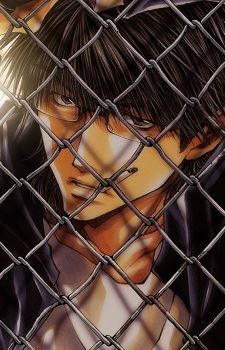
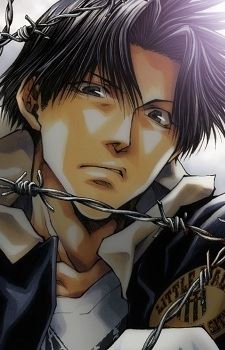
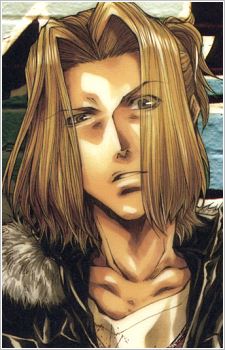
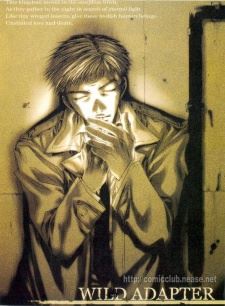
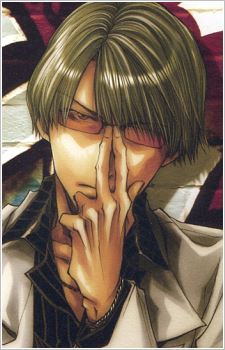
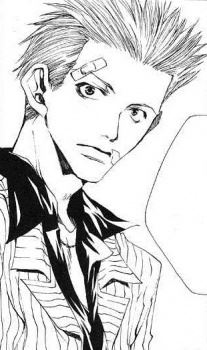




In the mid-1990s, Yokohama's yakuza scene was abuzz with "W·A," or "Wild Adapter," a perilous drug that boosted users to superhuman levels before causing their organs to explode, leading to death. The resulting corpses took on an animalistic appearance, complete with fur and claws. Two influential yakuza factions, the Izumokai and the Toujougumi, were locked in a fierce battle for control over W·A, while baffled police investigated the gruesome aftermath of its use.
Kubota Makoto, around 17 years old at the series' start, found himself unexpectedly thrust into a leadership role within the Izumokai youth division. He came off as aloof and indifferent, even oblivious, yet could shoot someone without much hesitation, merely complaining about the noise. After seven months, Kubota assassinated 12 high-ranking members of the Toujougumi and then vanished from the yakuza world. Shortly thereafter, he discovered an unconscious stranger in an alley—a boy with a furry, clawed hand. Kubota took him home and named him Tokitoh. With no memory of his past or the reason behind his altered hand, Tokitoh and Kubota embarked on a quest to uncover the truth about W·A, only to be drawn back into the dangerous realm of yakuza politics, where the body count quickly escalated.
It's challenging to judge a story when its length remains uncertain, but I'd tentatively give it an 8 out of 10. Many questions remain unanswered, frustratingly so—like why Wild Adapter drastically alters physicality or what Tokitoh's hand signifies, especially as it seems to spread up his arm. It's absurd that the yakuza would pursue such a deadly drug for profit, given its lethal effects. Additionally, despite widespread knowledge of the drug's potency, no one appears aware of its fatal side effects.
Minekura's work characteristically features predominantly male, attractive main characters. Female characters rarely recur beyond their initial appearances, and the series spectacularly fails the Bechdel Test, which is jarring. While this may reflect the reality of 1990s Yokohama to some extent, it still feels off. Opportunities to portray women more fully exist, like the housewife driven to suicide by debt and her daughter; these stories were mostly discussed off-screen by male characters. Saori from Volume 2 remains the sole female character narrating her own tale, focusing solely on males.
Beyond these issues, Minekura excels in character development. Kubota and Tokitoh share a multifaceted, compelling relationship teetering on obsessive attachment. Their dynamic subtly influences other characters. Yakuza motivations, particularly those of Sanada and Sekiya, are intricate and unpredictable, while the police aren't portrayed as heroes. Yokohama itself almost becomes a character, influencing its inhabitants, making it unclear who's truly good or bad.
Minekura's art significantly enhances this characterization. Her expressive lines convey emotion and action powerfully, lending immense strength to the narrative and characters. The early style is somewhat inconsistent, reflecting the artist's growth into the story. An interesting stylistic choice is the black space surrounding panels instead of white, traditionally denoting flashbacks. Whether this is purely aesthetic or implies the entire series is a flashback remains ambiguous, adding a morbid undertone, suggesting secondary accounts due to missing or deceased primary sources.
Overall, Wild Adapter is a polished piece of work. It's tightly knit and fast-paced compared to Saiyuki, Minekura's other major work. While Saiyuki sprawls with numerous recurring characters, Wild Adapter focuses on a core group whose roles evolve throughout the story. It's gritty and authentic, delivering a powerful punch.
A highly enjoyable series to read.
Wild Adapter's rapid pacing and plot progression make it one of the most engaging stories to follow; the way the narrative and characters evolve, coupled with the well-timed incorporation of humor, makes the story exceptional. The characters feel very real and likable. Even while exploring the relationships between characters as a BL, the romance doesn't overshadow the plot. It strikes an excellent balance of drama, action, romance, and comedy.
The artwork is also commendable, featuring a well-developed and believable style.
I truly enjoyed it for its compelling story, memorable characters, and impressive art. Overall, I think it deserves a perfect 10.