After reading the series, I'm completely in love with it. It brings great enjoyment to those who appreciate a bit of a twist in romance. I gave it an overall score of 10 out of 10 because it was so captivating and addictive.
I definitely recommend this manga to those who enjoy complex relationships and romantic drama. There are numerous dramatic moments throughout the series.
I rarely found out that Tanemura Arina has a straightforward story, considering most of her works involve some form of magic, but not this one.
The story was somewhat complex, yet in a very good way. It features adorable scenes between the main characters without being overly cheesy. The plot was excellent, filled with unpredictable twists that set it apart from other manga. And as for the art—well, no one can deny Tanemura's artistic talent, right? She is one of my favorite mangaka based on her art alone.
So far, this has been my favorite manga by her.
Oh man, this manga. If you enjoy over-dramatized, high school slice-of-life stories, then this might be for you.
The plot is so over-the-top that I couldn't connect with any of the characters or the story at all. The overarching narrative about a kind-hearted girl gradually warming up to a popular but cold boy felt incredibly dull.
There's just so much happening in this story, all blown out of proportion to an absurd degree.
The art is quite appealing, though.
The manga tries to introduce interesting characters like Ushio and Maora and includes subplots, but for me, it falls flat. Takanari's family backstory is both ridiculous and unrealistic. The only sadness I feel is for how poorly written it is.
The story centers on the relationship between Haine Otomiya and Shizumasa Togu, but Tanemura also takes the time to delve into the backgrounds of other characters. Similar to "Full Moon," there are some surprising twists that make the story quite engaging. The ending, however, was a bit cliché, typical of Arina Tanemura, and it was the only part I didn't particularly enjoy. But reflecting on it, there really wasn't any other way it could have concluded. All the characters have intriguing pasts, making the overall narrative enjoyable.
Art—As always, Arina Tanemura's artwork is superb. I adore how she illustrates hair and clothing; her drawings are incredibly detailed and beautiful. It's impressive how she manages to meet all her deadlines. I rated it a 9 instead of a 10 because I believe the art in "Full Moon" was slightly better, but the art in this series is still fantastic.
Character—The main character, Haine, was somewhat disappointing. From the start, she is infatuated with Shizumasa, which initially made me think, "Not another love-struck girl story!" (but it does improve). She isn't very bright and can be quite annoying at times. The other characters are more tolerable than Haine, though I wasn't fond of Maora's identity subplot. Generally, the character development isn't stellar, but some characters do mature throughout the story.
I find the overall enjoyment of the story to be great. There are flaws and issues, but when everything comes together, it becomes more than bearable. The stunning art further enhances the experience! I highly recommend this manga.
In the Imperial Academy, students are categorized into ranks: Gold, Silver, and Copper. Haine Otomiya, the story's protagonist, holds a Copper rank. She harbors feelings for Koutei (Emperor) Shizumasa Tougu, the sole Gold-ranked student and heir to the Tougu family.
This 47-chapter shoujo manga is penned by Arina Tanemura, the same mangaka behind the well-known Full Moon wo Sagashite. The narrative centers around Haine, her family, friends, and romantic endeavors. Be prepared for numerous twists as the plot unfolds, alongside the development of the characters.
The characters are illustrated beautifully, from their appearances to their attire. Occasionally, a character may remind you of or resemble another one.
The only negative aspect I can point out about this manga is its abrupt ending. There are still elements that needed further exploration or more attention. Overall, Shinshi Doumei Cross is a must-read.
Having read a bit of "Full Moon wo Sagashite" by the same author and being intrigued by the preview of this series in an issue of Shojo Beat magazine several years ago, I was eager to start this series.
I was not disappointed. The characters are realistic, the plot is engaging, and the ending is satisfying, which is more than I can say for many shoujo series I've read. I won't give out details because I want you to discover them yourself. However, I will mention that there's a cross-dressing male character, twins, and well-written strong female characters.
I highly recommend this series. In fact, it's my favorite in the shoujo genre.
Arina sensei definitely has a talent for drawing manga. I read Sakura Hime Kaden too (though I didn't finish it because the publisher in my country discontinued the series), and I enjoyed it a lot. However, not so much with Shinshi Doumei Cross. In the first book, I had to reread it just to remember the characters (they all look the same!). I can't tell the difference between Ushio and Haine in close-ups. The mailman and Strahl are also hard to distinguish (though I can tell them apart by their hats and hair in chapter 2).
Arina sensei's drawing is good, but reading this manga is tiring because almost every page is filled with flowers and unnecessary details.
Story:
I've only read two of Arina sensei's manga titles, and I prefer the fairy-tale type over the high school genre like Shinshi. However, the main story here is unusual and fresh, which I think is good.
Characters:
Arina sensei's heroines usually share one type: cheerful, with a dark past, and already in love with the hero. But in Shinshi, more characters are in love with the same sex. I don't particularly like that. I still prefer cross-dressing themes, but without romantic elements involved.
Enjoyable:
The manga has 59 chapters, and my eyes get tired from reading it. As mentioned before, the excessive flowers and details are overwhelming. They're great for covers, but not inside the manga itself.
Overall:
I wish Shinshi Doumei Cross were a color manga so I could better appreciate the details (LOL). The story is good, the art is good, and if I ignore the fact that my eyes can't handle too many details, it's a very good manga.
I hope Arina sensei can improve her character designs so they don't all look the same.
I've always been a huge fan of Arina Tanemura's work, but I consider "The Gentlemen's Alliance" to be her weakest series and not an accurate representation of her storytelling abilities.
The plot is difficult to discuss separately from the characters since it is primarily character-driven. The basic premise involving Haine's conflict between her two families feels rather dull, and as a protagonist, she comes across as weak. One of the strengths of shojo manga is their ability to create a bond between the reader and the protagonist, but this was entirely missing in "The Gentlemen's Alliance." The problems Haine encounters are hard to relate to and often come off as trivial "rich kid" issues that lack long-term relevance. There were a few moments when I cared for her, but they were too infrequent for such a long series. This main plot is why I've given the series a lower score for story, and Haine's presence as the protagonist drags down the overall cast. While the Emperor is more likable, I found the plot became increasingly convoluted as the series progressed, leading me to lose interest in his problems.
Like most of Arina Tanemura's works, there are darker themes underlying the series. Some add a nice twist to the school plot, but others come off as shallow. Serious issues like child trafficking are poorly handled and fail to convey their gravity to the reader. Later in the series, these issues only serve to highlight Haine's privileged background, making her even less likable. While I appreciate Tanemura's inclusion of these topics, their poor treatment makes me wish they had been left out.
Thankfully, the supporting cast is much stronger. They are funny, emotional, and I genuinely cared for them, especially Ushio. Unlike Haine, they act as an ensemble and each receives adequate development. Their plots never felt convoluted or overly dramatic (for the genre). While some issues, like Maora and Maguri's sexuality, are treated lightly, this seems more a fault of the genre than Tanemura herself. However, it would have been nice to see these issues explored more seriously, given their prominence in several characters' backstories.
While the story is easy to get into with early good plot progressions, it becomes stale quickly, picking up with some of the best subplots closer to the end. This is a double-edged sword; it’s easy to start but can become a chore to read through completely. The pacing in the middle is messy, possibly because I read it as it came out rather than all at once, but I think reading it all at once would also be challenging. This series is definitely for fans of the shojo genre, as it doesn’t offer much beyond the typical romance plot.
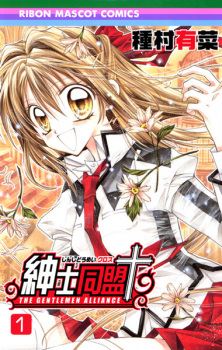
As a fan of Arina Tanemura's art style, I found the series visually stunning, with lovely designs and beautiful cover illustrations. While the characters don't look extraordinary for the genre, their designs effectively portray their personalities and quirks, such as Maguri's headband or Ushio's "princess" look. In terms of art and character design, this is Tanemura's strongest work.
Despite its flaws, I did enjoy the series, but it's best suited for fans of the shojo genre or Tanemura's work. It's primarily a romantic melodrama with a typical plotline. The supporting cast's eccentricities make the series enjoyable rather than tedious, but it falls short of being a masterpiece in exploring human sentiment. It’s a good manga with some enjoyable romance subplots, but I wouldn’t recommend it for Haine’s character alone. Your enjoyment will largely depend on how well you connect with Haine.

Popular Reviews
After reading the series, I'm completely in love with it. It brings great enjoyment to those who appreciate a bit of a twist in romance. I gave it an overall score of 10 out of 10 because it was so captivating and addictive.
I definitely recommend this manga to those who enjoy complex relationships and romantic drama. There are numerous dramatic moments throughout the series.
The plot is so over-the-top that I couldn't connect with any of the characters or the story at all. The overarching narrative about a kind-hearted girl gradually warming up to a popular but cold boy felt incredibly dull.
There's just so much happening in this story, all blown out of proportion to an absurd degree.
The art is quite appealing, though.
The manga tries to introduce interesting characters like Ushio and Maora and includes subplots, but for me, it falls flat. Takanari's family backstory is both ridiculous and unrealistic. The only sadness I feel is for how poorly written it is.
The story centers on the relationship between Haine Otomiya and Shizumasa Togu, but Tanemura also takes the time to delve into the backgrounds of other characters. Similar to "Full Moon," there are some surprising twists that make the story quite engaging. The ending, however, was a bit cliché, typical of Arina Tanemura, and it was the only part I didn't particularly enjoy. But reflecting on it, there really wasn't any other way it could have concluded. All the characters have intriguing pasts, making the overall narrative enjoyable.
Art—As always, Arina Tanemura's artwork is superb. I adore how she illustrates hair and clothing; her drawings are incredibly detailed and beautiful. It's impressive how she manages to meet all her deadlines. I rated it a 9 instead of a 10 because I believe the art in "Full Moon" was slightly better, but the art in this series is still fantastic.
Character—The main character, Haine, was somewhat disappointing. From the start, she is infatuated with Shizumasa, which initially made me think, "Not another love-struck girl story!" (but it does improve). She isn't very bright and can be quite annoying at times. The other characters are more tolerable than Haine, though I wasn't fond of Maora's identity subplot. Generally, the character development isn't stellar, but some characters do mature throughout the story.
I find the overall enjoyment of the story to be great. There are flaws and issues, but when everything comes together, it becomes more than bearable. The stunning art further enhances the experience! I highly recommend this manga.
In the Imperial Academy, students are categorized into ranks: Gold, Silver, and Copper. Haine Otomiya, the story's protagonist, holds a Copper rank. She harbors feelings for Koutei (Emperor) Shizumasa Tougu, the sole Gold-ranked student and heir to the Tougu family.
This 47-chapter shoujo manga is penned by Arina Tanemura, the same mangaka behind the well-known Full Moon wo Sagashite. The narrative centers around Haine, her family, friends, and romantic endeavors. Be prepared for numerous twists as the plot unfolds, alongside the development of the characters.
The characters are illustrated beautifully, from their appearances to their attire. Occasionally, a character may remind you of or resemble another one.
The only negative aspect I can point out about this manga is its abrupt ending. There are still elements that needed further exploration or more attention. Overall, Shinshi Doumei Cross is a must-read.
Art:
Arina sensei definitely has a talent for drawing manga. I read Sakura Hime Kaden too (though I didn't finish it because the publisher in my country discontinued the series), and I enjoyed it a lot. However, not so much with Shinshi Doumei Cross. In the first book, I had to reread it just to remember the characters (they all look the same!). I can't tell the difference between Ushio and Haine in close-ups. The mailman and Strahl are also hard to distinguish (though I can tell them apart by their hats and hair in chapter 2).
Arina sensei's drawing is good, but reading this manga is tiring because almost every page is filled with flowers and unnecessary details.
Story:
I've only read two of Arina sensei's manga titles, and I prefer the fairy-tale type over the high school genre like Shinshi. However, the main story here is unusual and fresh, which I think is good.
Characters:
Arina sensei's heroines usually share one type: cheerful, with a dark past, and already in love with the hero. But in Shinshi, more characters are in love with the same sex. I don't particularly like that. I still prefer cross-dressing themes, but without romantic elements involved.
Enjoyable:
The manga has 59 chapters, and my eyes get tired from reading it. As mentioned before, the excessive flowers and details are overwhelming. They're great for covers, but not inside the manga itself.
Overall:
I wish Shinshi Doumei Cross were a color manga so I could better appreciate the details (LOL). The story is good, the art is good, and if I ignore the fact that my eyes can't handle too many details, it's a very good manga.
I hope Arina sensei can improve her character designs so they don't all look the same.