
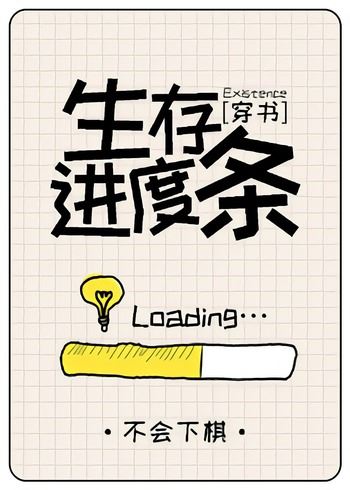
Death Progress Bar
-
Author:
Can’t Play Chess,不会下棋,
- Status: complete)<br /> 4 PN Volumes (complete
...
Show More
Rating(4 / 5.0, 86 votes)
5 stars
27(31%)
4 stars
29(34%)
3 stars
30(35%)
2 stars
0(0%)
1 stars
0(0%)
Popular Reviews
SPOILER ALERT:
Turns out, MC's father was truly unhinged - he collected women resembling his 'white moonlight', including his long-lost love's younger sister, who ended up being MC's mother.
Thankfully, MC passed away before reaching adulthood.
I have a soft spot for the entertainment industry sibling, despite them being... SPOILER:
A person who couldn't forgive something MC said when they were only nine years old.
Despite that, their relationship with MC is surprisingly amusing."
The male protagonist is not overly perfect, nor does he come across as irritating. He learns from his mistakes and refrains from abusive behavior, which is a refreshing change from typical transmigration novels that often feature such themes. The story focuses on redemption rather than just revenge, making it a genuinely engaging read.
I highly recommend it, and I'm eagerly anticipating reading the rest of the book!
What truly sets this story apart is its unique approach to the genre. The character development is well-executed, allowing readers to understand each character's individuality and growth through natural progression of relationships. What I particularly admire is the novel's focus on redemption rather than relentless vengeance, breaking the cycle of hatred and promoting forgiveness and healing. Instead of seeking to destroy those who wronged the past, it emphasizes moving forward and rebuilding lives.
In conclusion, the pacing and character arcs are commendable, and the novel's message of redemption resonates strongly. I wholeheartedly appreciate this fresh perspective and wish for more stories like this one.
If you enjoy harem themes, the concept of multiple attractive and competent individuals vying for the protagonist's affection can be appealing. Yet, the challenge lies in depicting the MC as relatable amidst their indecision and potential romantic missteps. Enter the MC's brothers, who serve as a solution or critique to this dynamic.
Alternatively, some readers might find fascination in more complex, albeit potentially problematic, relationships. Overbearing, possessive, or obsessive traits can create tension, but they often come with red flags in a romantic context. Once again, the brothers step in, either as catalysts or as a critique of these dynamics.
The main couple's bond, on the other hand, is characterized by sweetness, love, and genuine connection. Even during the MC's oblivious phase, their relationship remains healthy and supportive. In contrast, the MC's interactions with their brothers resemble a darkly twisted harem tale, filled with revenge and intense emotions.
To clarify, there are no inappropriate undertones within the MC's relationship with their siblings (no spoilers). Instead, the novel flips the harem formula, turning the focus on reconciliation with a sibling instead of conventional romantic escapades.
In essence, the author巧妙地 explores the boundaries of these guilty pleasures, catering to those who appreciate nuanced sibling dynamics amidst the usual romance tropes.
Leave a Review